
Discover Patouda: Irresistible Greek Nutty Dessert Delight
Last Updated on May 8, 2026 by beatricerecipez
When the sun sets and the air is filled with the enticing aroma of honey and warm spices, I can’t help but reminisce about the first time I tasted Patouda a delightful Greek pastry that captures the essence of festive gatherings. The first bite is a revelation, revealing a perfect blend of sweet dates, crunchy nuts, and hints of cinnamon that wrap you in a comforting embrace.
This traditional dessert isn t just a treat; it s a versatile delight that invites you to explore endless variations based on your pantry s treasures think swapping walnuts and almonds for rich pistachios or hazelnuts. Whether you re looking for a stunning centerpiece for a celebration or a sweet indulgence after a family dinner, Patouda promises to elevate your culinary repertoire and bring joy to every occasion. So roll up your sleeves and join me in creating this cherished Greek masterpiece that s sure to warm hearts and satisfy cravings!

Why is Patouda your new favorite dessert?
Delightful Tradition: Patouda captures the essence of Greek culture, perfect for festive gatherings and family get-togethers.
Nutty Goodness: Every bite delivers a satisfying crunch from fresh nuts, harmonizing beautifully with sweet, ripe dates.
Endless Versatility: Feel free to get creative with nut substitutions or spice variations to suit your taste.
Simple Process: With easy-to-follow steps, this recipe makes it enjoyable for both novice cooks and seasoned chefs.
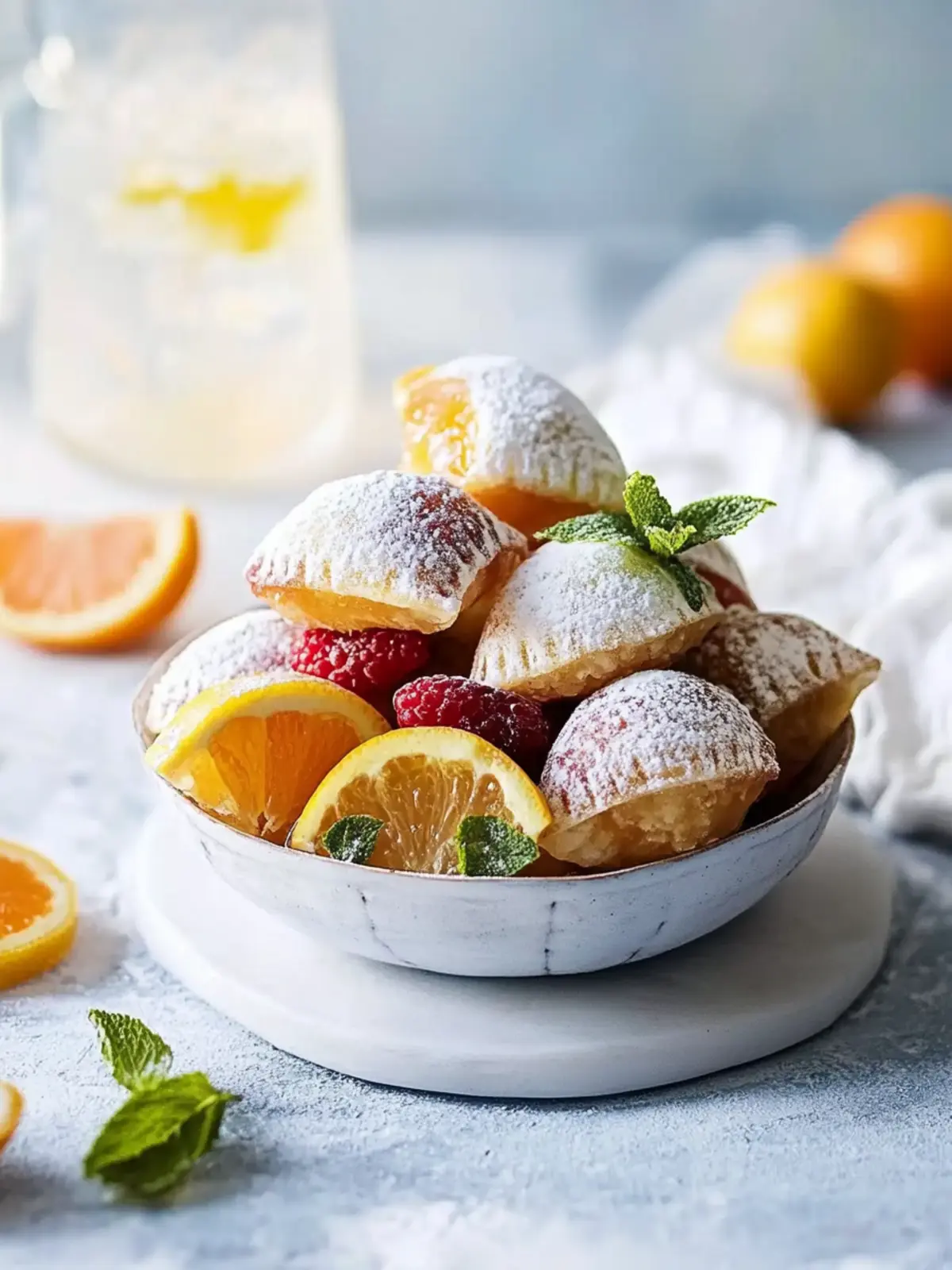
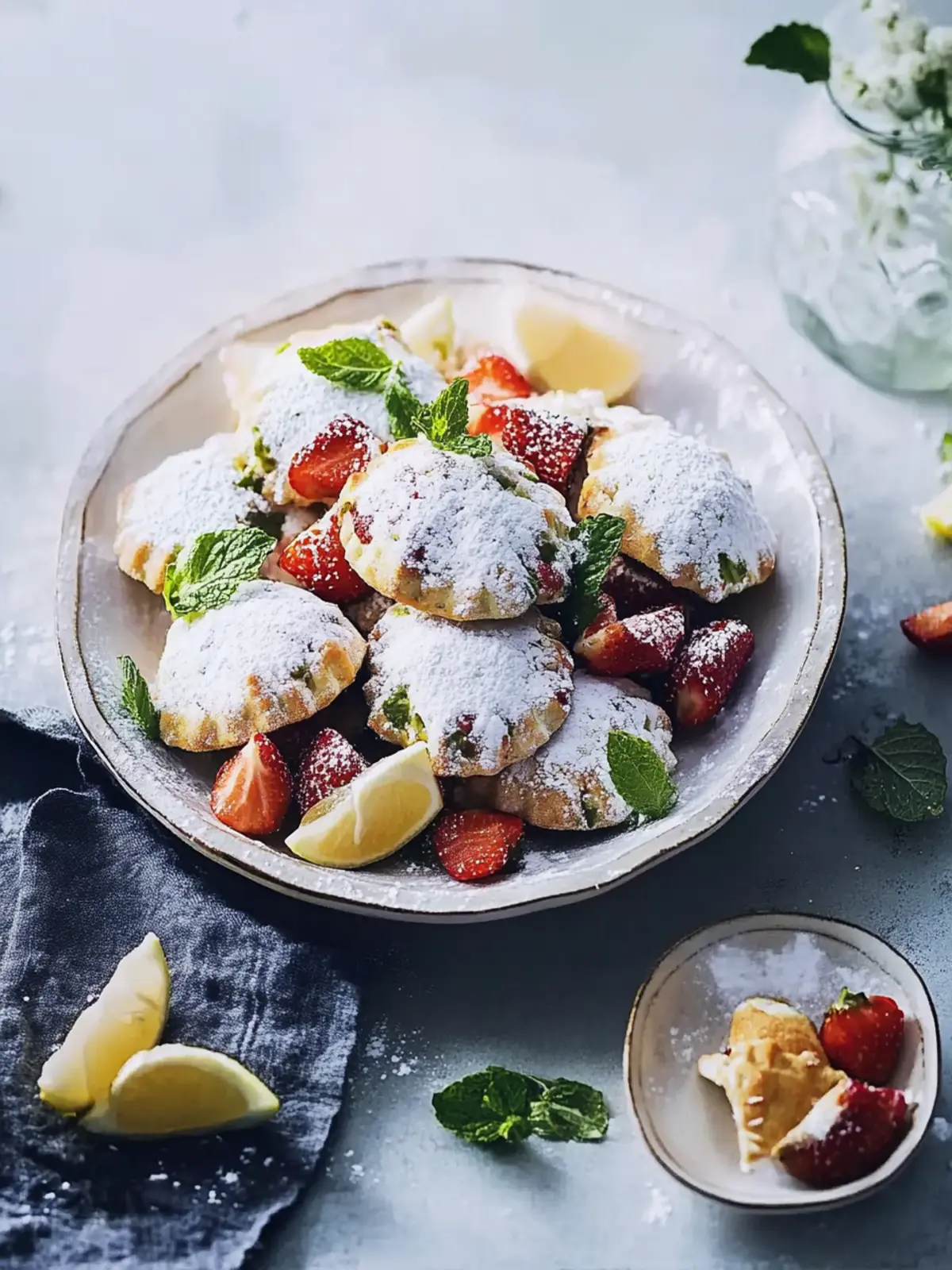
Eye-Catching Presentation: The golden-brown pastries are perfect for serving warm or at room temperature, making them an ideal companion for coffee or tea.
Crowd Pleaser: Whether it s a family dinner or a festive celebration, Patouda is sure to impress your guests and make sweet memories!
Patouda Ingredients
Dive into the sweet world of Patouda with these simple yet delightful ingredients!
For the Dough
- Olive Oil (150 ml) Provides moisture and a fruity flavor; you can substitute melted butter for a rich taste.
- Milk (60 ml; ¼ cup) Hydrates the dough; feel free to use plant-based milk for a dairy-free option.
- Bicarbonate of Soda (½ tsp) Helps tenderize the pastry; you can replace it with a traditional ash-water mixture if you wish.
- Caster Sugar (55 gm; ¼ cup) Creates a smooth texture; regular sugar works just fine in a pinch.
- Raki (40 ml) Adds a traditional spirit flavor; substitute with a similar spirit or omit if preferred.
- Egg (½, lightly beaten) Binds the ingredients together; a flax egg serves as a great vegan alternative.
- Plain Flour (450 gm; 3 cups) Forms the structure of the pastry; a gluten-free flour blend is possible but may need adjustments.
For the Filling
- Honey A natural sweetener; consider maple syrup for a unique twist.
- White Sugar Enhances texture, with no direct substitute needed when using honey.
- Sesame Seeds Adds nuttiness and texture; can be omitted or swapped with extra nuts.
- Walnuts and Almonds (125 gm each) Offer crunch and flavor; feel free to experiment with pistachios or hazelnuts.
- Pitted Fresh Dates (125 gm) Sweetens and moistens the filling; substitute with chopped dried fruits if fresh isn t available.
- Ground Cinnamon (½ tsp) and Ground Cloves (½ tsp) Provide warm, aromatic undertones; adjust to match your flavor preferences.
- Finely Grated Nutmeg (Pinch) Adds depth; optional to leave out if needed.
Elevate your cooking experience by gathering these ingredients and bringing the delightful flavor of Patouda to your kitchen!
How to Make Patouda
Prepare the Dough: In a large mixing bowl, whisk together olive oil, milk, bicarbonate of soda, caster sugar, raki, and beaten egg until well combined. Gradually mix in the flour until a smooth dough forms; it should feel soft but not sticky.
Make the Filling: In a separate bowl, stir together honey, white sugar, sesame seeds, crushed walnuts, almonds, sliced dates, ground cinnamon, ground cloves, and finely graded nutmeg. Ensure everything is mixed well, creating a sweet and aromatic filling.
Shape the Pastries: Roll out the dough on a floured surface to about ¼ inch thickness. Cut it into your desired shapes, fill with the nut mixture, and carefully fold or seal each pastry to keep the filling inside.
Bake: Preheat your oven to 350°F (175°C). Arrange the filled pastries on a baking sheet lined with parchment paper. Bake them for approximately 35 minutes or until they are golden brown and fragrant.
Cool and Serve: Allow the pastries to cool slightly on a wire rack. Before serving, dust them with icing sugar to add a sweet finishing touch.
Optional: Serve warm with a drizzle of honey for an extra special treat.
Exact quantities are listed in the recipe card below.
Make Ahead Options
These Patouda pastries are perfect for busy home cooks seeking to save time and still indulge in homemade goodness! You can prepare the dough and filling up to 24 hours in advance. For optimal taste, store the dough wrapped in plastic wrap in the refrigerator and the filling in an airtight container. When you’re ready to enjoy your Patouda, simply roll out the dough, fill it with the mixture, and bake as directed. This way, you’ll have freshly baked pastries with minimal effort, allowing you to savor every delightful bite without the rush! Just make sure not to overwork the dough for a tender texture.
Expert Tips for the Best Patouda
Dough Care: Avoid overworking the dough, as this will make it tough. A gentle touch ensures a light, flaky pastry.
Chop Dates Well: Make sure your pitted dates are chopped finely; large chunks can interfere with the texture of your Patouda.
Use Fresh Nuts: Opt for fresh nuts when making your filling to maximize flavor and crunch; rancid nuts can spoil the delightful experience of Patouda.
Watch Baking Time: Keep an eye on your pastries as they bake. Ovens can vary, so look for a golden brown color to ensure they are perfectly cooked.
Add Your Twist: Feel free to experiment by adding different spices or nuts according to your taste preferences, making your Patouda truly unique!
How to Store and Freeze Patouda
Room Temperature: Keep Patouda in an airtight container at room temperature for up to a week to maintain its delightful texture and flavor.
Fridge: If you wish to store it longer, refrigerate in an airtight container for up to 10 days. Just remember to bring it back to room temperature before serving for the best taste.
Freezer: For longer preservation, freeze the baked pastries in a single layer on a baking sheet, then transfer to a freezer-safe container. They can be stored for up to 3 months.
Reheating: To enjoy your Patouda warm, simply thaw overnight in the fridge, then reheat in the oven at 350°F (175°C) for about 10-15 minutes.
What to Serve with Patouda?
Indulging in the sweet, nutty flavors of Patouda opens up a world of culinary pairings that enhance this traditional Greek treat.
Greek Coffee: The rich, robust flavor of Greek coffee perfectly complements the sweetness of Patouda, creating a harmonious balance on your palate.
Cinnamon Tea: Warm, spiced cinnamon tea can bring out the aromatic notes in the pastry while providing a cozy, comforting ambiance.
Fresh Fruit Salad: Bright, juicy fruits like oranges and pomegranates add a refreshing contrast to the rich dessert, enhancing its overall enjoyment.
Yogurt with Honey: Creamy yogurt drizzled with honey creates a lush, tangy contrast that enriches the nutty flavor of the Patouda.
Baklava: If you’re feeling adventurous, serve Patouda alongside baklava for a delightful dessert duo showcasing the best of Greek pastries. The flaky texture of baklava paired with the soft Patouda offers a sensational experience.
Almonds and Pistachios: Roasted nuts on the side provide an extra crunch and reinforce the nutty filling of Patouda, making each bite a little more exciting.
Vanilla Ice Cream: A scoop of vanilla ice cream melts into the warm Patouda, creating a delightful temperature contrast while balancing sweetness.
Chocolate Mousse: For chocolate lovers, a light chocolate mousse adds an indulgent touch and elevates your dessert experience to the next level.
Sweet Red Wine: A glass of sweet red wine, like a Moscato, pairs beautifully, enhancing the flavors and making any dessert occasion feel spirited.
Patouda Variations & Substitutions
Get creative and tailor this delightful dessert to your taste and pantry!
Nut Variation: Swap traditional walnuts and almonds for pistachios or hazelnuts for a unique twist. You can even mix different nuts for a flavor-packed filling!
Dairy-Free Option: Use plant-based milk instead of regular milk to make this dessert suitable for a vegan diet, creating the same delightful texture.
Honey Substitute: Replace honey with maple syrup for a different flavor profile, offering a hint of earthiness alongside that sweetness.
Sweetness Adjustment: Feel free to play with the sugar levels by adding more or less, tailoring the sweetness to your personal preference. It’s all about your taste buds!
Spice It Up: Experiment by adding cardamom or anise for an unexpected aromatic profile, creating a more complex flavor in your Patouda that s sure to delight.
Flour Substitution: For those with gluten sensitivities, try a gluten-free flour blend, adjusting moisture as needed to achieve a workable dough.
Vegan Binding: Replace the egg with a flax egg (1 tbsp ground flaxseed mixed with 2.5 tbsp water) for a perfect vegan adhesive!
Sweet Tropical Twist: Add dried fruits like apricots or cranberries in the filling for a fruity burst, bringing a sweet and tangy layer to each delicious bite.
With these variations, your Patouda can be a reflection of your unique tastes and dietary needs, while still embracing the spirit of this cherished Greek dessert!
Patouda Recipe FAQs
How do I choose ripe dates for my Patouda?
Absolutely! When selecting dates, look for those that are plump, shiny, and have a slightly sticky texture. Avoid dates that have dark spots all over or feel overly dry, as they might not provide the desired sweetness or moisture for your Patouda. If fresh dates aren’t available, you can use dried varieties, keeping in mind they may require a bit more moisture in the filling.
How should I store leftover Patouda?
Very! To keep your Patouda fresh, store it in an airtight container at room temperature for up to a week. If you find you can’t finish them all, refrigeration can extend their life to around 10 days. Just ensure you bring them back to room temperature to enjoy full flavor when serving.
Can I freeze Patouda for later enjoyment?
Absolutely! To freeze your Patouda, first, arrange the baked pastries in a single layer on a baking sheet and place them in the freezer for a few hours. Once they are frozen, transfer the pastries to a freezer-safe container or bag, separating layers with parchment paper to prevent sticking. They can be stored this way for up to 3 months. When ready to eat, thaw overnight in the refrigerator and reheat in the oven at 350°F for 10-15 minutes.
What should I do if my Patouda dough is too sticky?
Oh no! If your dough is too sticky, fear not! Lightly flour your work surface and your hands as you knead in more flour, a little at a time, until you achieve a soft, pliable consistency. Be careful not to add too much flour at once, as this can lead to a tough pastry. A good rule of thumb is to aim for just enough flour so the dough handles easily without sticking.
Are there any dietary considerations for my Patouda?
Very! If you are making Patouda for someone with allergies, be sure to consider potential nut allergies, especially if you’re using walnuts, almonds, or any other nuts. You can also make it vegan by substituting the egg with a flax egg (1 tablespoon of ground flaxseed mixed with 2.5 tablespoons of water). For those following a gluten-free diet, a gluten-free flour blend can substitute regular flour but may require additional adjustments for texture.