
Ultimate Paska Ukrainian Easter Bread: Sweet Tradition at Home
Last Updated on May 8, 2026 by beatricerecipez
As the sun begins to warm the crisp air of spring, I can t help but feel a sense of anticipation brewing in the kitchen. The days leading up to Easter are filled with dreams of Paska Ukrainian Easter Bread a tradition that has warmed hearts and homes for generations. This cherished recipe blends a softly sweet flavor and a fluffy texture, creating an aromatic embrace of vanilla that fills the room with comfort.
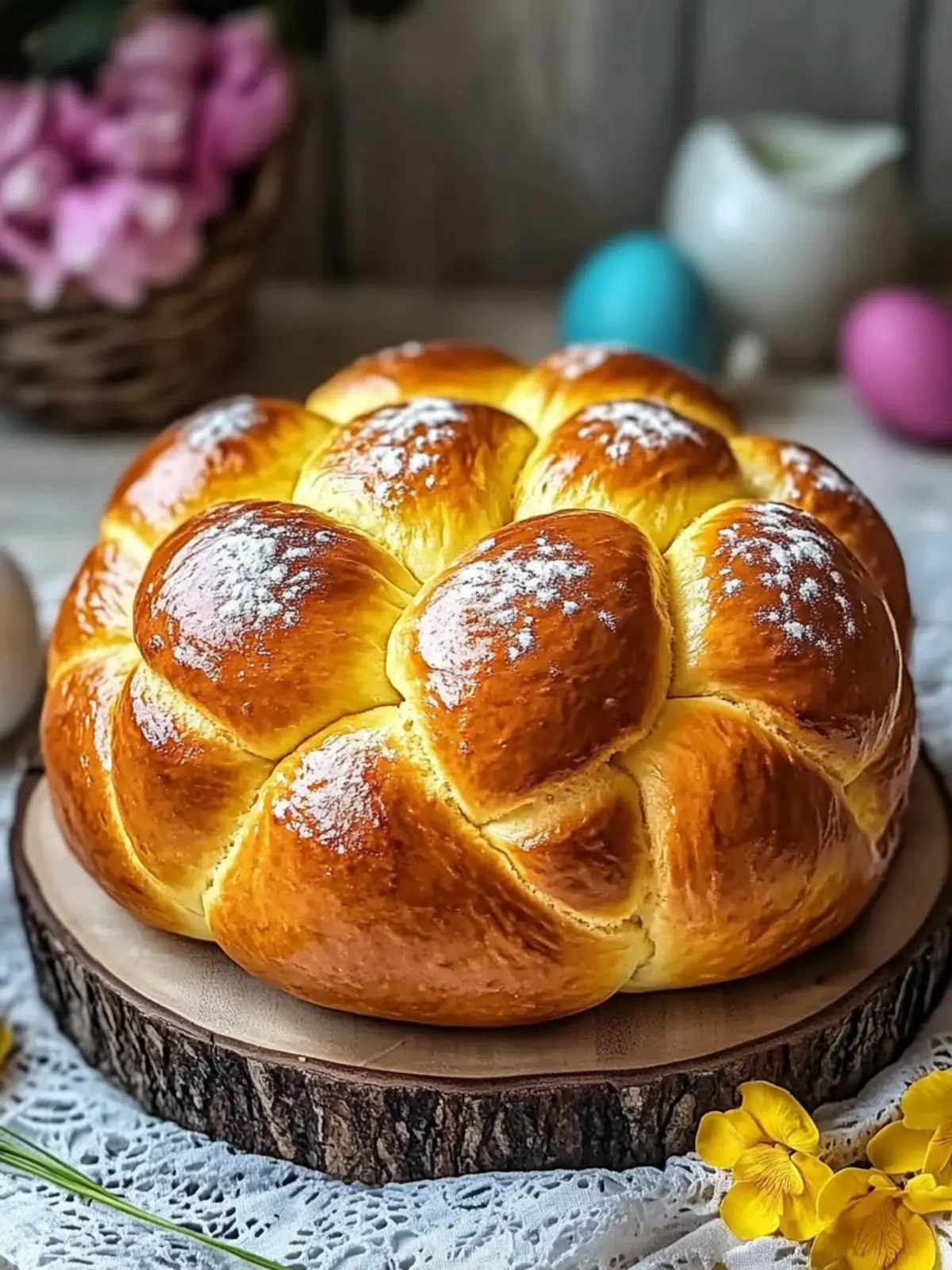
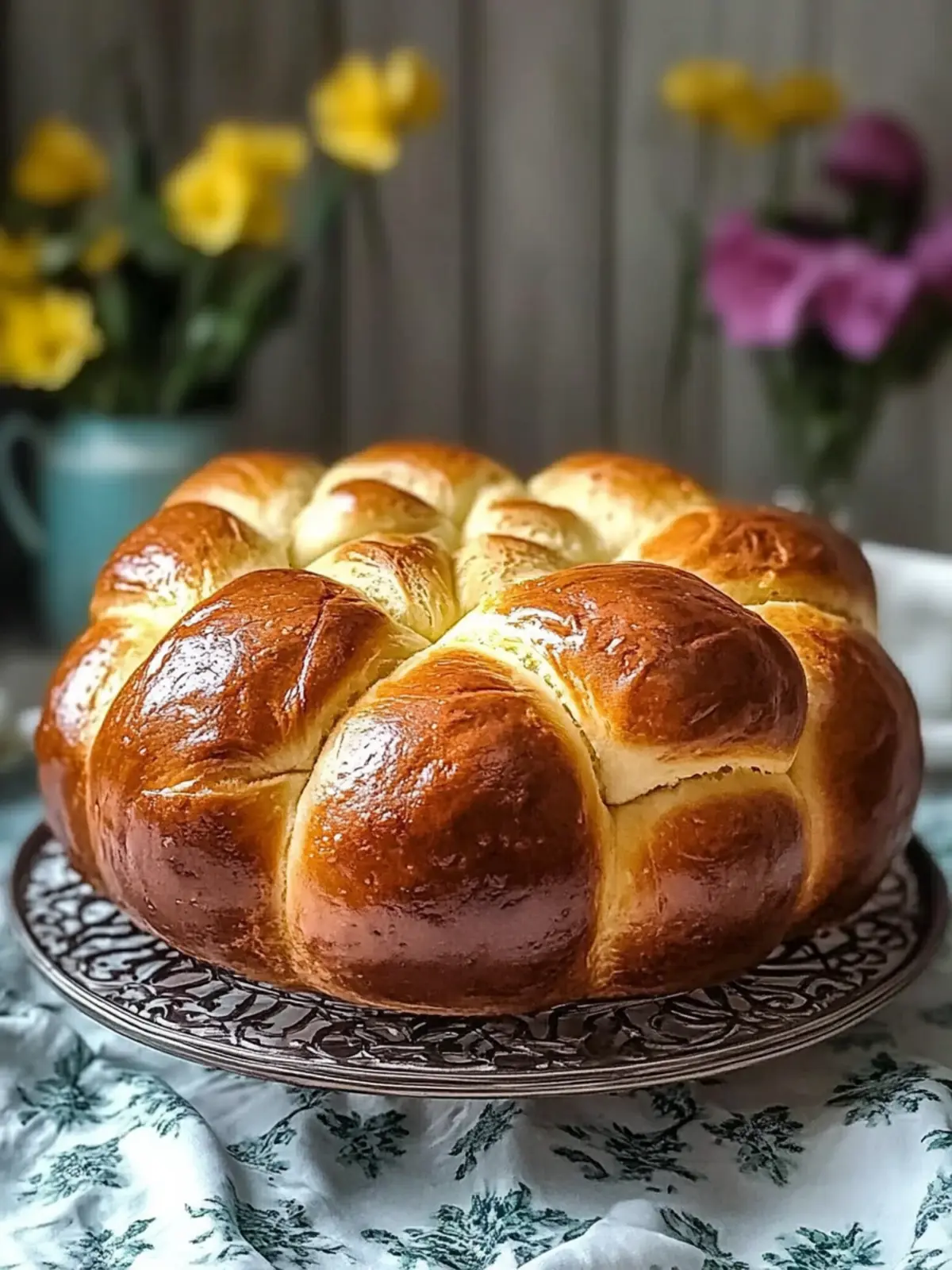
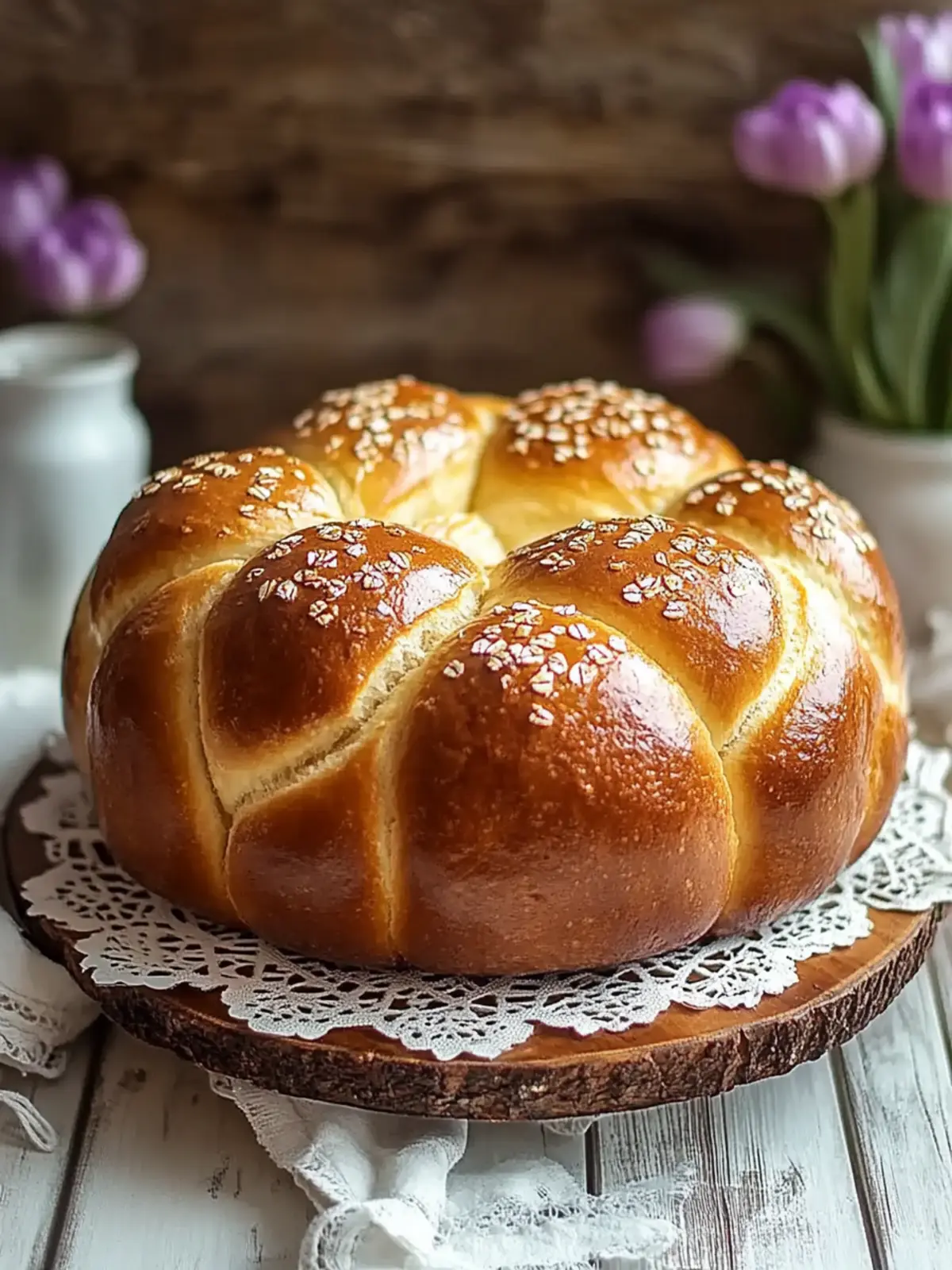
What s truly enchanting about Paska is the way it transforms a simple family gathering into a celebration steeped in culture and heritage. Adorned with beautiful braids and cross decorations, this bread is as much a feast for the eyes as it is for the palate. Whether shared with a pat of butter on Easter morning or savored with honey at a festive gathering, Paska is not just a dish; it s a symbol of love and community that bridges generations.
Ready to bring this delightful bread into your home? Join me as we dive into the art of making Paska, including traditional and vegan variations that cater to everyone at your table.
Why is Paska Ukrainian Easter Bread special?
Tradition: Paska bread is steeped in history, representing Ukrainian heritage and Easter celebrations.
Aromatic Delight: The sweet vanilla aroma wafting from the oven makes every moment magical.
Visually Stunning: With its intricate braids and cross motifs, this bread becomes a centerpiece on any table.
Versatile Serving: Enjoy it with butter, honey, or even as a sweet breakfast, delighting everyone in your family.
Modern Adaptations: Discover flavors with citrus peels or opt for a vegan twist; there s a version for everyone.
Family Bonding: Baking Paska together creates cherished memories, turning your kitchen into a warm gathering space.
Paska Ukrainian Easter Bread Ingredients
For the Dough
- All-Purpose Flour Serves as the structure of the Paska. Try bread flour for a chewier texture.
- Sugar Adds sweetness and aids in browning; can be swapped with honey for a unique twist.
- Yeast This leavening agent helps the bread rise and become fluffy; both active dry and instant yeast work well.
- Milk Contributes moisture and richness; almond or soy milk are great substitutes for a vegan option.
- Butter Adds richness and flavor; for a dairy-free variation, use coconut oil instead.
- Eggs Provide essential structure and moisture; replace with flax eggs for a vegan adaptation.
- Vanilla Extract Infuses the bread with delightful flavor; almond extract can offer a lovely nutty note.
- Salt Balances the sweetness and enhances overall flavor, crucial for dough development.
How to Make Paska Ukrainian Easter Bread
Warm the Milk:
Begin by gently warming the milk in a saucepan over low heat until it s just warm to the touch not boiling. This helps to activate the yeast nicely.Dissolve Yeast:
In a small bowl, combine the warm milk with sugar and yeast. Stir gently and let it sit for about 5-10 minutes until it becomes frothy, indicating the yeast is active.Mix Dry Ingredients:
In a mixing bowl, whisk together the all-purpose flour and salt. Create a well in the center to add the yeast mixture, allowing for easy blending.Combine Ingredients:
Pour the frothy yeast mixture into the well, then add in the eggs, melted butter, and vanilla extract. Mix until a shaggy dough begins to form, ensuring an even distribution of ingredients.Knead the Dough:
Transfer the dough to a floured surface. Knead it for about 10 minutes until it feels smooth and elastic this helps to develop that wonderful fluffy texture we love in Paska.First Rise:
Place your kneaded dough in a greased bowl. Cover it with a clean kitchen towel and let it rise in a warm spot until it doubles in size, about 1-2 hours.Shape the Bread:
After the dough has risen, punch it down to release the air. Shape it into a round loaf, then divide some sections to create beautiful braids on top for that classic Paska look.Second Rise:
Allow the decorated loaf to rise again on a baking sheet, covered with a towel, until it puffs up approximately 30-45 minutes.Preheat and Bake:
Preheat your oven to 350°F (175°C). Once ready, bake the Paska for 40-50 minutes, or until it turns golden brown and sounds hollow when tapped on the bottom.Cool and Serve:
Let the Paska cool completely on a wire rack before slicing. Decorate it further if desired, then serve and enjoy the fruits of your labor!
Optional: Dust with powdered sugar for an elegant touch before serving.
Exact quantities are listed in the recipe card below.
Make Ahead Options
Paska Ukrainian Easter Bread is perfect for busy home cooks looking to save time during the festive season! You can prepare the dough up to 24 hours in advance by following the instructions up to the first rise, then refrigerating the kneaded dough in a greased bowl, covered with plastic wrap. This helps slow the fermentation process, and will yield just as fluffy and delicious results upon baking. When you’re ready to serve, simply let the dough come to room temperature for about 30 minutes, shape it, and allow it to rise again before baking. Not only does this method save you precious time, but it allows the flavors to develop beautifully, making your Paska a truly special treat for your Easter celebration!
Storage Tips for Paska Ukrainian Easter Bread
Room Temperature: Keep your Paska wrapped in plastic wrap or stored in an airtight container for up to 3 days at room temperature to maintain its softness.
Fridge: If you need to store it longer, refrigerate in an airtight container for up to a week, but this may slightly affect texture.
Freezer: For extended storage, freeze your Paska for up to 3 months. Wrap it tightly in plastic wrap followed by aluminum foil to prevent freezer burn.
Reheating: To enjoy your frozen Paska, thaw it overnight in the fridge; reheat slices in a toaster or a warm oven (350°F) for a few minutes to revive its delightful fluffiness.
What to Serve with Paska Ukrainian Easter Bread?
The warm, inviting aroma of Paska bread beckons for delightful pairings that elevate every bite and complement its soft sweetness.
Creamy Butter: A rich, velvety spread that enhances the Paska’s mild sweetness and adds a delightful richness to each slice.
Wildflower Honey: Drizzling this floral, sweet nectar over warm Paska creates a heavenly balance of flavors, perfect for breakfast or brunch.
Fresh Fruit Compote: A vibrant burst of flavors from seasonal fruits creates a beautiful contrast to the bread’s soft texture, making for a refreshing treat.
Cured Meats and Cheeses: Combining Paska with savory options like smoked meats or tangy cheeses brings depth, balancing its sweetness and offering a well-rounded taste.
Coffee or Tea: A warm cup of your favorite brew serves as a comforting accompaniment, enhancing the bread’s aromatic qualities and completing a cozy meal experience.
Sweet Cream Cheese Spread: A luscious spread, blended with herbs or spices, adds an intriguing twist that can elevate your Paska from a side dish to a main event.
Chocolate Ganache: For a decadent dessert option, pairing slices of Paska with rich chocolate ganache offers a muffin-like delight, perfect for your sweet cravings.
Spiced Apple Cider: A warm, spiced apple cider makes a perfect pairing during Easter celebrations, bringing a seasonal warmth that complements the Paska beautifully.
Expert Tips for Paska Bread
- Room Temperature Ingredients: Ensure all ingredients are at room temperature for better incorporation, resulting in a more even texture in your Paska Ukrainian Easter Bread.
- Kneading Caution: Avoid over-kneading the dough; this can lead to a dense loaf instead of the light, fluffy texture you want.
- Testing for Doneness: Use a thermometer to check doneness aim for an internal temperature of around 190°F (88°C) for perfect results.
- Flavor Enhancements: Consider adding citrus zest or dried fruits like raisins for an extra layer of flavor in your Paska bread.
- Rising Time: Be patient with rising times; baking is as much about time as ingredients, so don’t rush this step for best results.
Paska Ukrainian Easter Bread Variations
Feel the freedom to personalize your Paska and create your perfect loaf with these delightful twists!
Vegan Version: Replace eggs and milk with flax eggs and almond milk for a completely plant-based delight. The flavors remain rich and delicious, making it accessible to everyone.
Citrusy Zest: Add lemon or orange zest to the dough for a bright, fresh flavor that pairs beautifully with the sweetness of the bread. This twist brings a springtime vibrancy to each bite.
Raisin Surprise: Incorporate dried raisins or cranberries into the dough for bursts of sweetness throughout the loaf. These little gems create a lovely contrast to the fluffy texture.
Saffron Infusion: Mix in a pinch of saffron to enhance the aroma and give your Paska a unique golden hue and subtle, warming flavor. It s an aromatic twist that feels luxurious.
Almond Extract: Swap vanilla extract for almond extract for a nutty, deeper flavor profile that will tantalize taste buds. This substitution is delightful for any nut lover!
Nutty Crunch: Fold in chopped nuts, like walnuts or almonds, to add texture and richness to your Paska. The delightful crunch provides an exciting contrast to the soft, fluffy bread.
Mini Loaves: Shape your dough into mini Paska loaves for individual servings perfect for gifting! These adorable treats make for charming decorations at any festive gathering.
Spice It Up: Add a sprinkle of cinnamon or nutmeg for a warm, cozy flavor that will wrap you in comfort. This simple addition transforms your Paska into a spiced hug of nostalgia.
Paska Ukrainian Easter Bread Recipe FAQs
What type of flour should I use for Paska Ukrainian Easter Bread?
For the best structure, I recommend using all-purpose flour, but if you prefer a chewier texture, bread flour works wonderfully as well. The choice you make can subtly influence the final result, giving your Paska that perfect fluffy bite!
How can I tell when my yeast is active?
You ll know your yeast is active when it becomes frothy after being mixed with warm milk and sugar. This usually takes about 5-10 minutes. If it doesn t foam, your yeast may be expired, and I would suggest starting over with fresh yeast to ensure a good rise in your Paska bread.
How should I store leftover Paska?
To keep your Paska delicious, wrap it tightly in plastic wrap or place it in an airtight container at room temperature for up to 3 days. If you plan to store it longer, you can refrigerate it for about a week, although this may alter the texture slightly.
Can I freeze Paska, and how do I do it?
Absolutely! To freeze your Paska, wrap it tightly in plastic wrap, then in aluminum foil to prevent freezer burn. It can be stored in the freezer for up to 3 months. When you’re ready to enjoy it, simply thaw it overnight in the refrigerator and reheat slices in a toaster or warm oven at 350°F for a few minutes to regain its delightful fluffiness.
Are there any dietary considerations for Paska?
Yes! For those with dietary restrictions, you can easily adapt this recipe. Use almond or soy milk instead of cow’s milk, coconut oil in place of butter, and flax eggs instead of regular eggs. This way, everyone can delight in the rich tradition of Paska Ukrainian Easter Bread without compromise!
What should I do if my dough doesn’t rise properly?
If your dough isn t rising as expected, make sure the yeast was activated correctly and that the environment is warm enough (ideally around 75-80°F). Humidity can also play a role; if it s too dry, your dough may need extra moisture. If all else fails, allow more time for rising, as patience is often rewarded in bread-making!