
Dairy-Free Tuna Helper without Milk for Cozy Comfort Cooking
Last Updated on May 8, 2026 by beatricerecipez
Diving into a bowl of warm, creamy pasta can feel like a hug on a plate, especially when the weather turns chilly or you ve had a long day. I discovered the magic of Dairy-Free Creamy Tuna Helper during one of those rushed weekday evenings when the idea of ordering takeout was tempting but lacked the comfort of homemade goodness. Instead, this quick and satisfying dish soared to the rescue! With the delightful creaminess of coconut milk and a hint of cheesy flavor, it brings all the comfort without a drop of dairy.
Each bite is a blend of nostalgia and new flavors, perfect for those who are weary of bland fast food options and craving that rich, homemade taste. Whether you’re cooking for yourself or the entire family, this easy recipe only takes minutes to whip up, making it a go-to favorite for any night of the week. Let me share how to make this delightful Tuna Helper without milk that’ll have everyone asking for seconds!
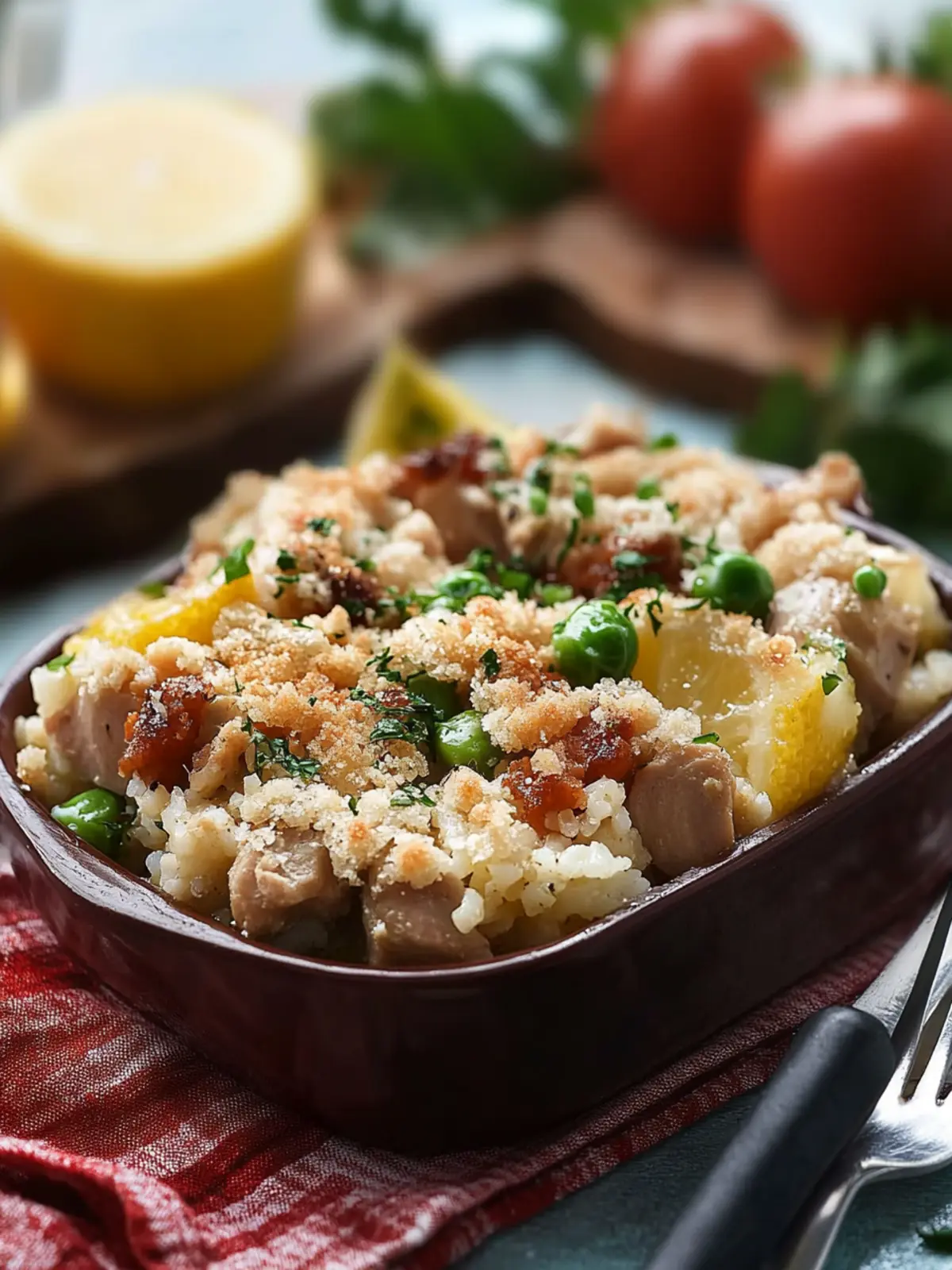
Why is this Tuna Helper without Milk a must-try?
Simplicity made delicious: This recipe requires minimal ingredients, making it an effortless meal to whip up after a long day.
Dairy-Free Comfort: Enjoy that creamy texture without any dairy products perfect for those with dietary restrictions.
Quick Meal: In just 30 minutes, you can have a hearty dish on the table that rivals your favorite takeout without the wait.
Versatile options: Customize it by adding your favorite vegetables or swapping in different pasta types for variety.
Kid-Friendly Appeal: The savory flavors and creamy texture are sure to please even the pickiest eaters, making family mealtime a breeze.
For more delightful dishes, check out my tips on preparing comforting meals from scratch!
Tuna Helper without Milk Ingredients
For the Sauce
- Coconut Milk Adds creaminess and richness; full-fat coconut milk is best as “lite” versions are too thin.
- Mayonnaise Contributes creaminess and tang; try using vegan mayonnaise for a fully plant-based option.
- All-Purpose Flour Acts as a thickener for the sauce; can be substituted with gluten-free flour if needed.
- Onion Powder Enhances the depth of flavor.
- Garlic Powder Offers a savory kick to the dish.
- Dried Thyme Adds a lovely herbal aroma.
- Salt and Pepper Essential seasonings for overall flavor balance.
For the Tuna and Cheese
- Canned Tuna Provides protein and a savory flavor base; ensure it s well-drained for optimal texture.
- Shredded Cheddar Cheese Adds a cheesy essence; use a dairy-free cheese alternative for a fully dairy-free version.
For the Pasta
- Pasta of Your Choice Serves as the main carbohydrate; any pasta type works, including gluten-free options for those with dietary needs.
With these simple yet wholesome ingredients, this Tuna Helper without Milk promises to deliver a comforting meal that feels just like home!
How to Make Tuna Helper without Milk
Cook the Pasta: Bring a pot of salted water to a boil and cook your pasta according to the package instructions. Once done, drain it well and set it aside.
Prepare the Sauce: In a medium saucepan set over medium heat, whisk together the coconut milk, mayonnaise, flour, onion powder, garlic powder, thyme, salt, and pepper. Simmer gently, stirring often, until the mixture thickens and becomes creamy.
Incorporate Tuna and Cheese: Gently fold in the drained tuna and shredded cheese. Keep stirring until the cheese melts and everything is well combined, creating a luscious sauce.
Combine with Pasta: Remove the sauce from heat, and add in the cooked pasta. Stir everything together until the pasta is evenly coated in that dreamy, creamy sauce.
Optional Baking: If you want to elevate it to a casserole, transfer the mixture into a baking dish, sprinkle with extra cheese if desired, and bake at 350°F (175°C) for about 15 minutes until bubbly and golden.
Serve: Plate up your comforting Tuna Helper and serve warm, pairing it beautifully with side salads or steamed veggies for a complete meal.
Optional: Top with chopped scallions for a fresh flavor boost!
Exact quantities are listed in the recipe card below.
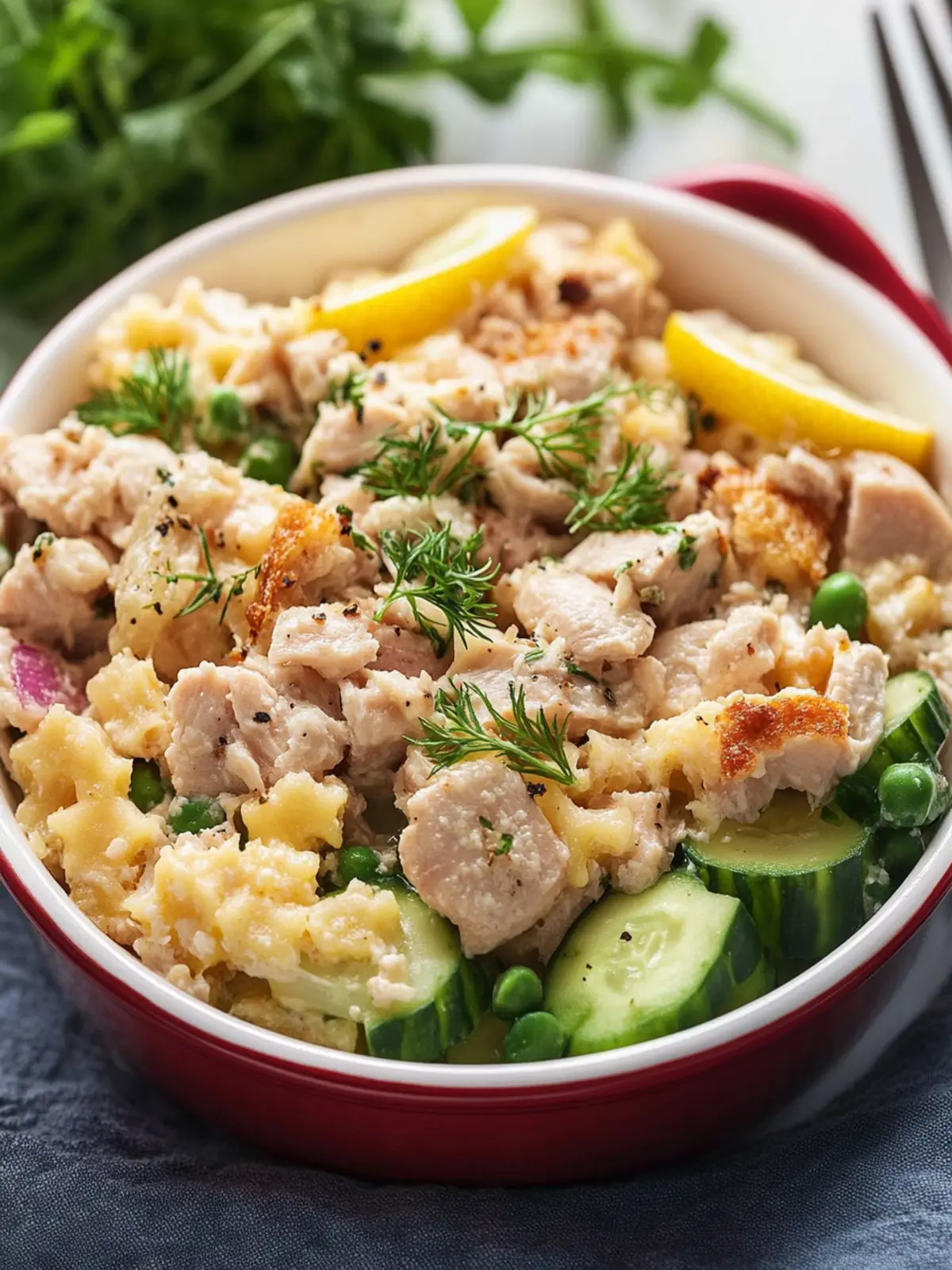
How to Store and Freeze Tuna Helper without Milk
Room Temperature: It s best to avoid leaving Tuna Helper at room temperature for more than 2 hours to ensure food safety.
Fridge: Store any leftovers in an airtight container in the fridge for up to 3-4 days. Make sure to reheat before enjoying!
Freezer: If you’d like to save Tuna Helper for later, freeze it in a freezer-safe container for up to 2 months. Allow it to cool completely before freezing.
Reheating: When ready to enjoy, thaw overnight in the refrigerator, then reheat on the stove or in the microwave, adding a splash of coconut milk for creaminess as needed.
Expert Tips for Tuna Helper without Milk
Creaminess Counts: Use full-fat coconut milk for a rich, velvety sauce. Avoid liteâ versions to prevent a thin texture in your Tuna Helper without milk.
Perfect Pasta: Make sure to cook the pasta al dente; it will continue cooking slightly when mixed with the sauce.
Freshness Matters: Always drain tuna well for optimal texture; moisture can make the dish too watery.
Heat it Right: Reheat leftovers gently with a splash of plant-based milk to maintain creaminess and avoid drying out.
Reheating Safety: Ensure reheated Tuna Helper reaches an internal temperature of 165°F (74°C) for food safety.
Tuna Helper without Milk Variations
Feel free to get creative with this recipe and make it your own!
Almond Milk: Swap coconut milk for almond milk for a lighter, nutty flavor while keeping it dairy-free.
Extra Veggies: Add peas, corn, or sautéed spinach to enhance nutrition and add a pop of color.
Spicy Kick: Incorporate red pepper flakes or diced jalapeños if you re looking for some warmth in your dish.
Herb Boost: Fresh herbs like parsley or basil can elevate the flavor profile, adding freshness that complements the creamy sauce.
Cheesy Flavor: Use nutritional yeast in place of cheese for a cheesy essence without the dairy.
Classic Twist: Add a splash of lemon juice for a bright zing that revitalizes the dish and balances its richness.
Pasta Variety: Experiment with whole wheat or chickpea pasta for a different texture and nutritional boost.
Casserole Style: Top with a crunchy breadcrumb mixture and bake for a delightful contrast in texture, offering a comforting crunch to each bite.
What to Serve with Tuna Helper without Milk?
Create a delightful meal that warms the heart and brings smiles around the table.
Garden Salad: A fresh garden salad brings a crisp contrast to the creamy richness, and its vibrant colors add a cheerful pop to your plate. Toss in some cherry tomatoes, cucumber, and a light vinaigrette for an effortless side.
Steamed Broccoli: The slight bitterness of steamed broccoli beautifully complements the creamy flavor of the Tuna Helper, creating a balance that’s not only tasty but also nutritious. Just steam until bright green and tender for a quick side.
Garlic Bread: Crispy garlic bread offers a satisfying crunch alongside the velvety texture of the Tuna Helper. You can whip it up easily with crusty bread, olive oil, and fresh garlic brushed on perfect for soaking up every last bit of sauce!
Roasted Vegetables: Roasting your favorite veggies like carrots, bell peppers, and zucchini enhances their natural sweetness. The caramelization provides a delightful flavor contrast to the dish while boosting your meal’s nutritional value.
Herbed Rice: Fluffy herbed rice acts as a neutral base, allowing the creamy Tuna Helper to shine in all its glory. Sprinkle with some fresh herbs for added flair and fragrance that elevate the entire dining experience.
Iced Tea or Lemonade: A refreshing glass of iced tea or lemonade pairs perfectly with Tuna Helper without milk. The cool, tart flavors provide a refreshing counterbalance against the rich, comforting pasta dish, making it an ideal drink choice.
Make Ahead Options
This Dairy-Free Creamy Tuna Helper is perfect for meal prep enthusiasts! You can prepare the sauce and cook the pasta up to 24 hours in advance, storing them separately in airtight containers in the refrigerator. To maintain the rich flavors and creamy texture, keep the tuna mixed into the sauce until just before you re ready to serve. When it s time to enjoy, simply reheat the sauce and pasta on the stove over low heat, adding a splash of coconut milk if it thickens. Once heated through, stir in the tuna and serve, making weeknight meals easier and just as delicious!
Tuna Helper without Milk Recipe FAQs
How do I choose the right coconut milk for this recipe?
Absolutely! I recommend using full-fat coconut milk for the best creamy consistency. When shopping, look for canned coconut milk labeled “full-fat.” Avoid “lite” versions, as they’re too thin and won’t provide the same rich texture.
How long can I store leftovers from my Tuna Helper without Milk?
Very! You can keep your Tuna Helper in an airtight container in the refrigerator for up to 3-4 days. Just remember to reheat it thoroughly before serving, ideally ensuring it reaches an internal temperature of 165°F (74°C).
Can I freeze Tuna Helper without Milk?
Yes, you can! To freeze, allow the Tuna Helper to cool completely, then transfer it to a freezer-safe container. It can be frozen for up to 2 months. When you re ready to enjoy, thaw it overnight in the refrigerator and reheat on the stove, adding a splash of coconut milk to restore creaminess.
What should I do if my sauce is too thick?
If your sauce turns out thicker than expected, don t worry! Simply add a bit of coconut milk or water, a tablespoon at a time, stirring until you reach your desired consistency. I often like to keep a small can of coconut milk on hand for just this reason.
Is this recipe suitable for my dairy allergies?
Absolutely! This Tuna Helper without Milk is dairy-free, making it a great option for those with lactose intolerance or dairy allergies. Just be sure to choose a dairy-free cheese alternative if you’re including cheese in your version.
Can I add vegetables to this Tuna Helper?
The more, the merrier! You can absolutely add your favorite veggies for added nutrition. Peas, corn, and spinach are all excellent choices. Just cook them briefly in the pasta water before combining them with the sauce to ensure they’re tender and flavorful.