
Burmese Seafood Curry: A Tomato Delight from Myanmar
Last Updated on May 8, 2026 by beatricerecipez
As I wandered through the bustling streets of Yangon, the vibrant colors and tantalizing aromas pulled me into a cozy street-side eatery. It was there that I first experienced the magic of Burmese Seafood Curry a dish that beautifully marries fresh seafood with a rich, comforting tomato base. The warm embrace of turmeric wafted through the air, promising flavor and warmth with every spoonful.
I couldn t resist the urge to recreate this delightful experience at home, knowing that it would bring joy to my family s dinner table while offering a healthy alternative to our usual weeknight meals. This easy-to-make curry shines with versatility, allowing you to switch up the seafood based on what you have at hand, making it a crowd-pleaser for any occasion. Ready to awaken your taste buds? Let s dive into the recipe that brings a taste of Myanmar to your kitchen, perfect for those evenings when you crave something exciting yet comforting.
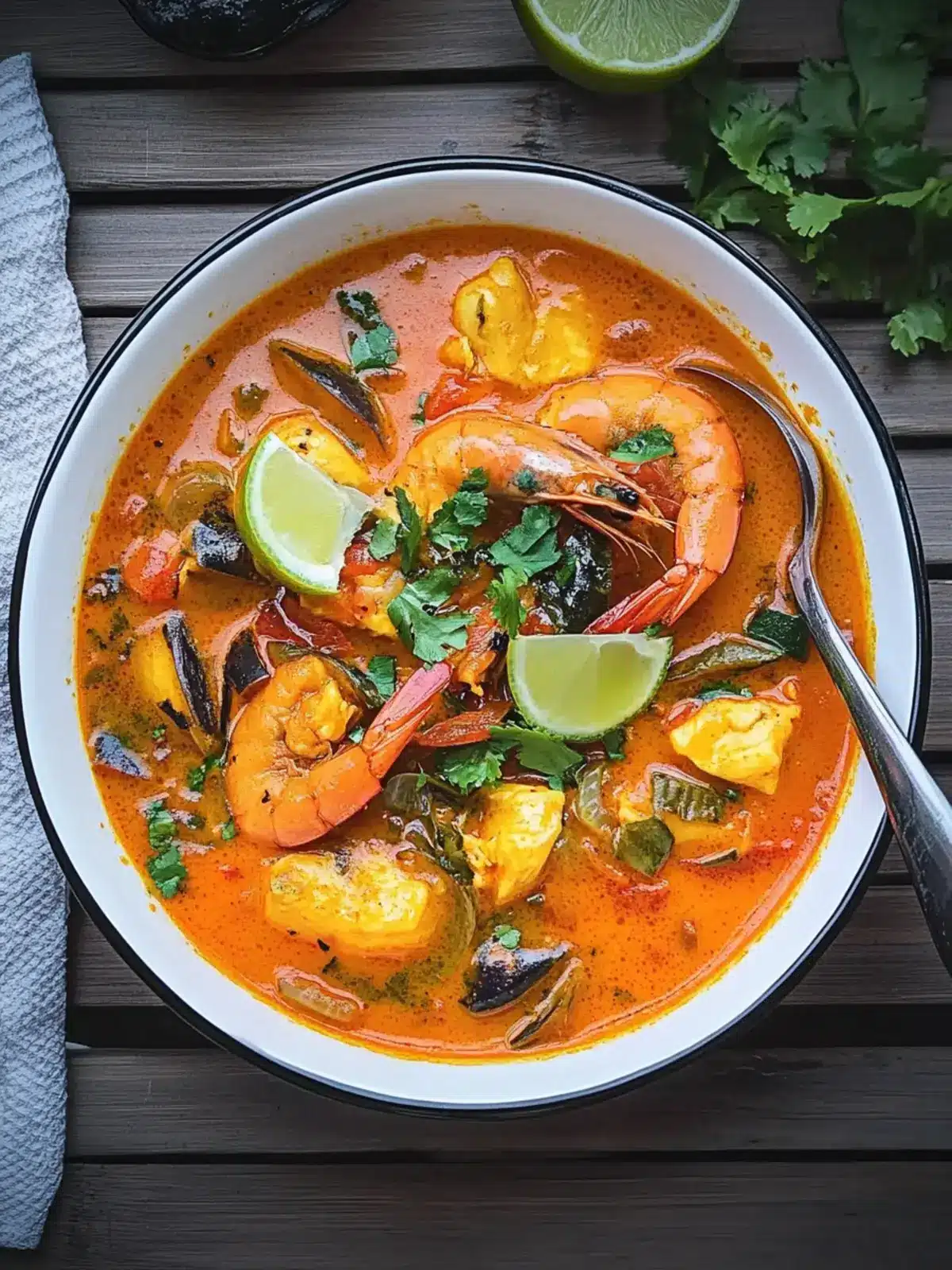
Why choose Burmese Seafood Curry today?
Satisfying Flavor: The Burmese Seafood Curry is a delightful blend of fresh seafood and a rich tomato-based sauce, ensuring a burst of flavor in every bite.
Customizable Ingredients: Tailor the recipe with your favorite seafood; whether it’s prawns, scallops, or just fish, you can make it your own!
Quick and Easy: With simple steps and accessible ingredients, you ll have a nutritious meal on the table in no time, ideal for busy weeknights.
Nutrient-Rich Comfort: Packed with protein and hydration from the tomatoes, this dish is a guilt-free indulgence that nourishes both body and soul.
Cultural Exploration: Enjoy a taste of Southeast Asia from the comfort of your home, making mealtime an adventure for you and your family.
Serve with Style: Pair it with rice or crusty bread to soak up the delicious sauce perfect for impressive entertaining or a cozy family dinner.
Burmese Seafood Curry Ingredients
Everything you need for a delightful dish!
For the Seafood
- Mixed seafood (500g) A medley of fish, squid, and prawns offers depth and protein; can substitute with just one type of fish if preferred.
- Live mussels (15-20) Adds a chewy texture and briny flavor; substitute with extra shrimp for an alternative.
For the Sauce
- Fish sauce (2 Tbsp) Enhances umami flavor; can replace with soy sauce for a vegetarian option.
- Ground turmeric (2 tsp) Provides an earthy flavor and bright color; no direct substitute, but curry powder can be used in a pinch.
- Chopped tomatoes (1 x 400g can) The base of the curry sauce, providing sweetness and acidity; use fresh tomatoes but adjust cooking time.
For the Aromatics
- Large onion (1) Adds sweetness and is the backbone flavor; yellow or white onions work best.
- Garlic cloves (2) Infuses aromatic depth; substitute with garlic powder if fresh is unavailable.
- Fresh red chillies (2) Adds heat and flavor; adjust based on your spice preference; can swap for green chillies.
For Seasoning
- Chilli powder (½ tsp) & Chilli flakes (1 tsp) For additional heat and flavor depth; use cayenne pepper as a substitute if necessary.
- White sugar (1 tsp) Balances the acidity of tomatoes; honey or agave syrup can also work well.
- Freshly ground black pepper (dash) For seasoning, adjust to taste.
For Cooking
- Vegetable oil (2 Tbsp) Used for sautéing; any neutral oil like canola or sunflower will do.
- Water (200 ml) Adjusts the consistency of the curry; consider seafood stock for an enhanced flavor.
For Garnish
- Fresh coriander (cilantro) (small handful) Adds a fresh note as a garnish; parsley can be used as a substitute in a pinch.
How to Make Burmese Seafood Curry
Marinate Seafood: Combine your mixed seafood (excluding mussels) with fish sauce and ground turmeric in a bowl. Let the flavors meld while you prepare the other ingredients.
Prep Vegetables: Scrub the mussels under cold water. Then, chop the large onion into quarters and slice the fresh red chillies into smaller pieces, ready to bring their heat to the dish.
Blend Paste: In a food chopper, blend the chopped onion, garlic cloves, and fresh chillies until a smooth paste forms. This aromatic base will create the curry’s depth of flavor.
Sauté: Heat vegetable oil in a large wok over medium heat. Add the onion paste and sauté for 2-3 minutes, stirring occasionally, until the mixture is fragrant and begins to soften.
Add Spices: Stir in the chilli powder, chilli flakes, and white sugar; cook for an additional minute to release the full aroma of the spices, stirring to combine.
Incorporate Tomatoes: Add the chopped tomatoes and ¾ of the water to the wok. Bring the mixture to a boil, allowing the tomatoes to break down and meld with the spices, creating a vibrant sauce.
Simmer Sauce: Once the mixture reaches a boil, reduce the heat and let it simmer uncovered for about 10 minutes, or until the sauce has thickened slightly and deepened in color.
Cook Seafood: Gently add the marinated seafood along with its juices, mixing everything together. Increase the heat and cook for 5-7 minutes, or until the seafood is cooked through and the mussels have opened up.
Season and Serve: Taste your dish, adding freshly ground black pepper and salt as desired. Garnish with fresh coriander before serving. Enjoy warm with a side of rice or crusty bread to soak up that glorious sauce!
Optional: Top with extra fresh coriander for an aromatic finish.
Exact quantities are listed in the recipe card below.
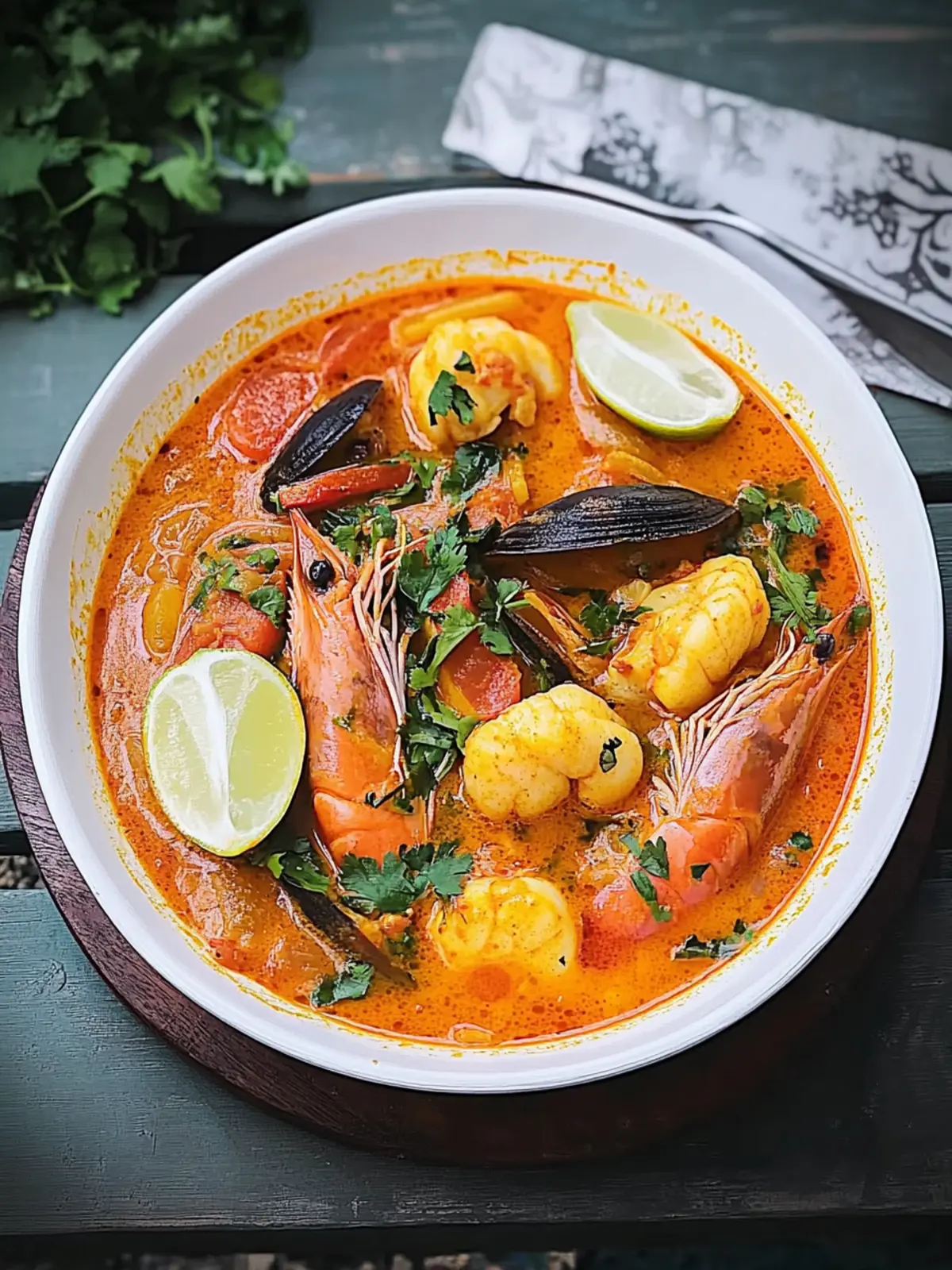
Burmese Seafood Curry Variations
Invite your culinary creativity to flourish with delightful tweaks to this beloved dish!
- Seafood Selection: Replace the mixed seafood with a single type, like firm cod or succulent shrimp, for a personalized touch.
- Vegetable Boost: Add vibrant bell peppers, spinach, or green beans for extra color and nutrition that enhances the overall flavor.
- Creamy Base: Stir in a splash of coconut milk towards the end for a creamier, richer texture that complements the spiciness beautifully.
- Spice It Up: Use Thai bird’s eye chillies for an extra kick, adjusting the quantity based on your heat preference.
- Herb Variations: Experiment with fresh basil or mint instead of cilantro for a refreshing twist that brightens every bite.
- Nutty Flavor: Sprinkle in some toasted sesame oil right before serving to introduce a nutty aroma that elevates the dish.
- Sweet Touch: For a hint of sweetness, add diced mango or pineapple to the curry for a tropical flair that surprises the palate.
- Zesty Notes: Incorporate the zest of a lime or lemon for a zingy brightness that elevates the overall flavor profile.
Embrace these variations and make the dish truly yours, turning each meal into an exciting culinary adventure!
Make Ahead Options
These Burmese Seafood Curry preparations are perfect for busy home cooks looking to save time! You can marinate the seafood (excluding mussels) with the fish sauce and turmeric up to 24 hours in advance, allowing the flavors to deepen. Additionally, the onion-chilli-garlic paste can be blended and stored in the fridge for up to 3 days, which cuts down your cooking time significantly. Just be sure to keep it in an airtight container to prevent oxidation. When you’re ready to serve, simply sauté the paste, add the tomatoes and water, and finish cooking your seafood according to the original instructions for a dish that feels freshly made and just as delicious!
How to Store and Freeze Burmese Seafood Curry
Fridge: Store any leftovers in an airtight container for up to 2 days. Reheat gently on the stove, adding a splash of water if needed to refresh the sauce.
Freezer: While best enjoyed fresh, you can freeze the curry for up to 1 month. Allow it to cool completely before transferring to a freezer-safe container.
Reheating: Thaw overnight in the fridge before reheating. Warm over low heat, stirring occasionally until heated through.
Seafood Quality: If using frozen seafood, ensure it is properly thawed and cooked before storing to maintain the quality of the Burmese Seafood Curry.
Tips for the Best Burmese Seafood Curry
- Fresh Seafood Matters: Always choose fresh or live seafood for the Burmese Seafood Curry to ensure maximum flavor and texture. Avoid pre-cooked seafood to maintain the dish’s authenticity.
- Mind the Mussels: Ensure the mussels are alive before cooking. Discard any that remain closed after cooking; this guarantees safety and taste.
- Control the Heat: Adjust the amount of red chillies and chilli flakes based on your personal spice preference, ensuring the curry remains enjoyable for everyone.
- Simmer Well: Allow the sauce to simmer long enough for the flavors to meld; it enhances the depth of your curry. Skipping this step may result in a bland taste.
- Garnish Generously: Don t skimp on the fresh coriander as a garnish! It brightens the dish and adds a lovely aroma, elevating the whole meal experience.
- Serve Warm: Always serve the curry warm with a side of rice or crusty bread, which helps soak up that delicious sauce and complete the meal.
What to Serve with Burmese Seafood Curry?
Transform your dinner experience with delightful accompaniments that elevate every spoonful of this zesty and satisfying curry.
Steamed Jasmine Rice: A fragrant side that absorbs the curry s rich tomato sauce, creating a perfect balance of flavors and textures.
Crusty Bread: Ideal for dipping, crusty bread not only soaks up the exquisite sauce but also adds a comforting crunch to each bite.
Fresh Cucumber Salad: This refreshing side brings a cool contrast to the warmth of the curry. Crisp cucumbers with a tangy dressing uplift the entire meal.
Grilled Vegetables: Smoky, slightly charred veggies enhance the dish’s flavor, providing a heartier aspect that pairs beautifully with the seafood.
Chilled Coconut Lassi: A creamy, slightly sweet beverage, this lassi helps temper the spices while offering a tropical twist to your dining experience.
Mango Sticky Rice: For dessert, this classic Thai treat satisfies your sweet tooth, featuring tender sticky rice topped with luscious coconut cream and fresh mango.
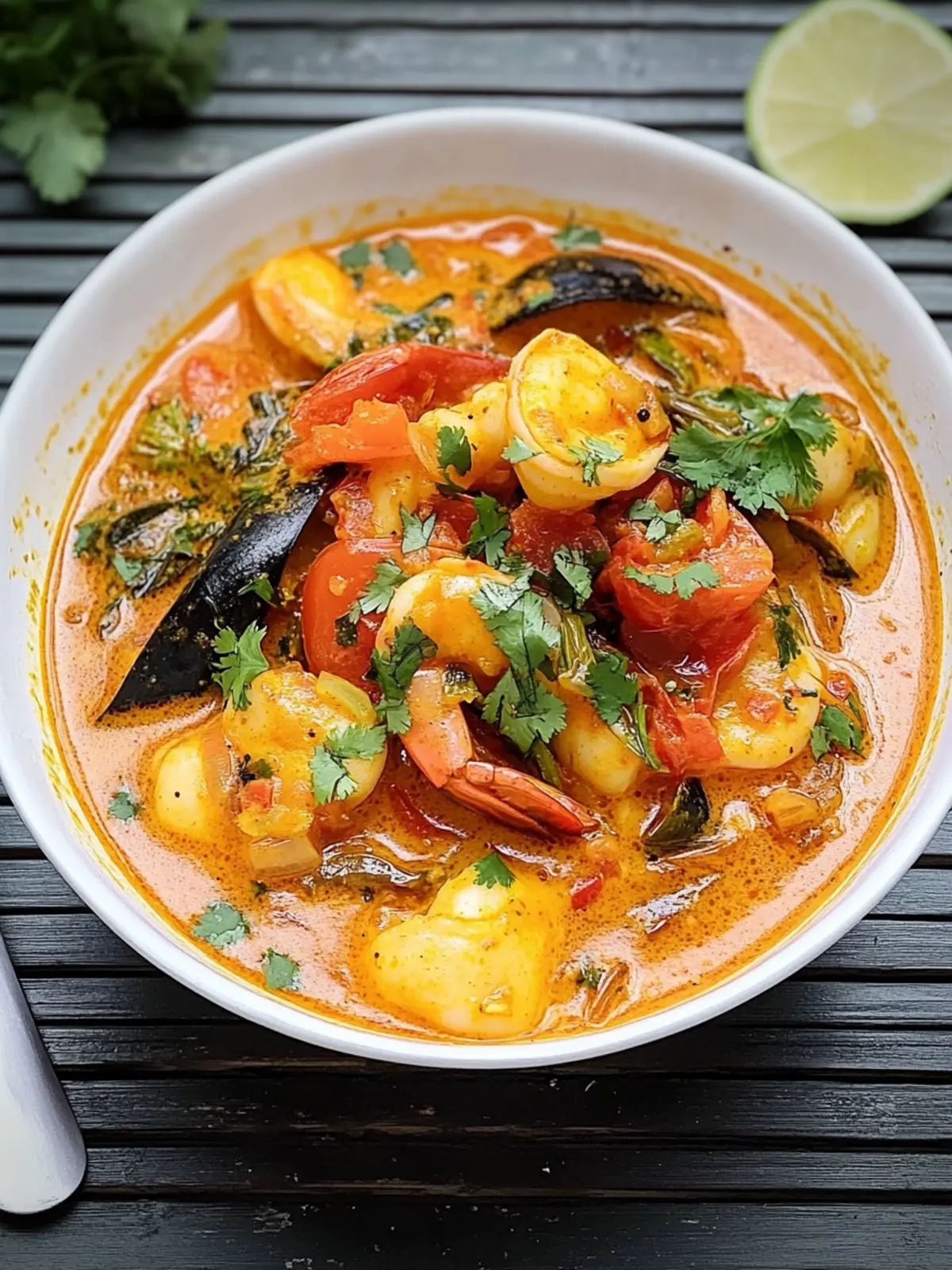
Burmese Seafood Curry Recipe FAQs
How do I choose the right seafood for my Burmese Seafood Curry?
Absolutely! When selecting seafood for your curry, look for fresh and firm options. If you’re using mixed seafood, aim for a balance of fish (like cod or bass), prawns, squid, and mussels. Fresh mussels should be alive; ensure they close when tapped. If using frozen seafood, ensure it s properly thawed and of good quality to maintain the dish’s authenticity.
What s the best way to store leftovers of the Burmese Seafood Curry?
Very! Store any leftover Burmese Seafood Curry in an airtight container in the fridge for up to 2 days. When you’re ready to enjoy it again, reheat gently on the stove. Add a splash of water to refresh the sauce if it thickens during storage. This way, you can savor the flavors all over again!
Can I freeze the Burmese Seafood Curry?
Yes, you can! While the curry is best enjoyed fresh, it can be frozen for up to 1 month. Allow it to cool completely before transferring to a freezer-safe container. When you’re ready to enjoy it, thaw overnight in the fridge. Then, reheat on low heat, stirring occasionally until warmed through.
What if my mussels don t open during cooking?
Great question! If any mussels remain closed after cooking, it s essential to discard them, as they may not be safe to eat. Properly cleaned and fresh mussels will open up while cooking. Always inspect your seafood before preparation to ensure quality and safety for the best dining experience.
Are there any dietary considerations for those with allergies?
Absolutely! If you or your guests have seafood allergies, consider making the curry with just one type of seafood, like shrimp, or substituting with tofu or other plant-based proteins for a vegetarian option. For those avoiding fish altogether, soy sauce can replace fish sauce to maintain flavor. Always check for other allergy potential within your ingredients, such as gluten in sauces.
How long does it take to cook the seafood in the curry?
Very! After incorporating the marinated seafood into the simmering sauce, cook for 5-7 minutes, or until the seafood is fully cooked and the mussels have opened. Keep an eye on the seafood; it should be opaque and tender when done, ensuring you don t overcook them for the best texture.