
Deliciously Light Steamed Vietnamese Honeycomb Cake Recipe
Last Updated on May 8, 2026 by beatricerecipez
As the warm tropical breeze dances through my kitchen, I can t help but be enchanted by the aroma of coconut and pandan wafting from the steamer. Today, I’m sharing my favorite nostalgic treat: the Steamed Vietnamese Honeycomb Cake. This gluten-free delight boasts a light, airy texture that melts in your mouth an easy yet stunning dessert that s perfect for impressing guests or enjoying with loved ones on a quiet evening.
What makes this cake so special? Not only does it showcase the unique flavors of Vietnam, but it also offers a canvas for creativity. With a few simple tweaks, you can infuse it with the vibrant taste of ube, the earthiness of matcha, or even some fresh fruits, making every bite a delightful surprise. So roll up your sleeves and get ready to embark on a culinary journey that promises to transport you straight to the heart of Vietnam! Let s dive into this enchanting recipe that s sure to become a beloved staple in your home.
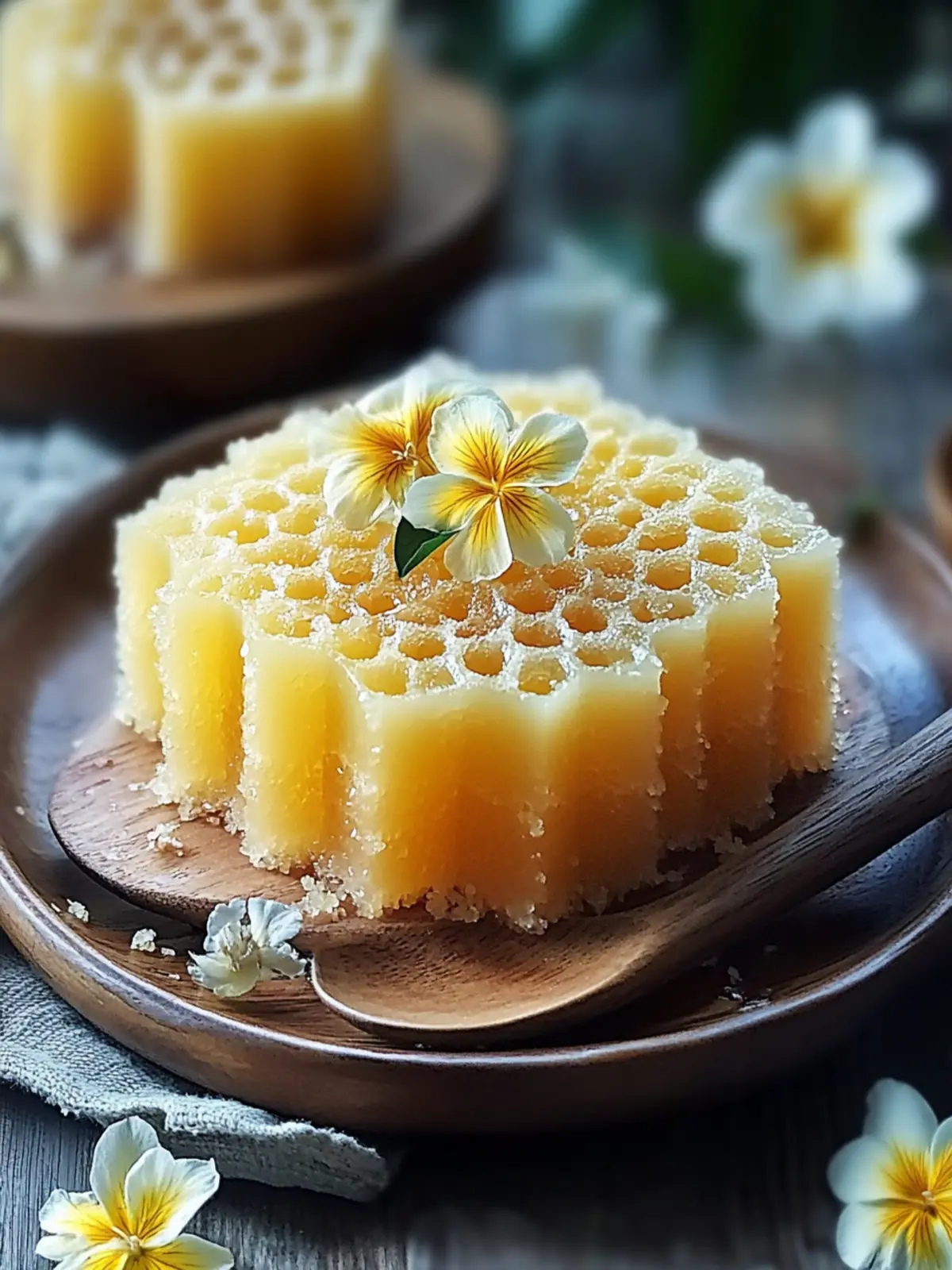
Why is Steamed Vietnamese Honeycomb Cake a Must-Try?
Light and Fluffy: This cake is renowned for its ethereal texture that feels heavenly with every bite.
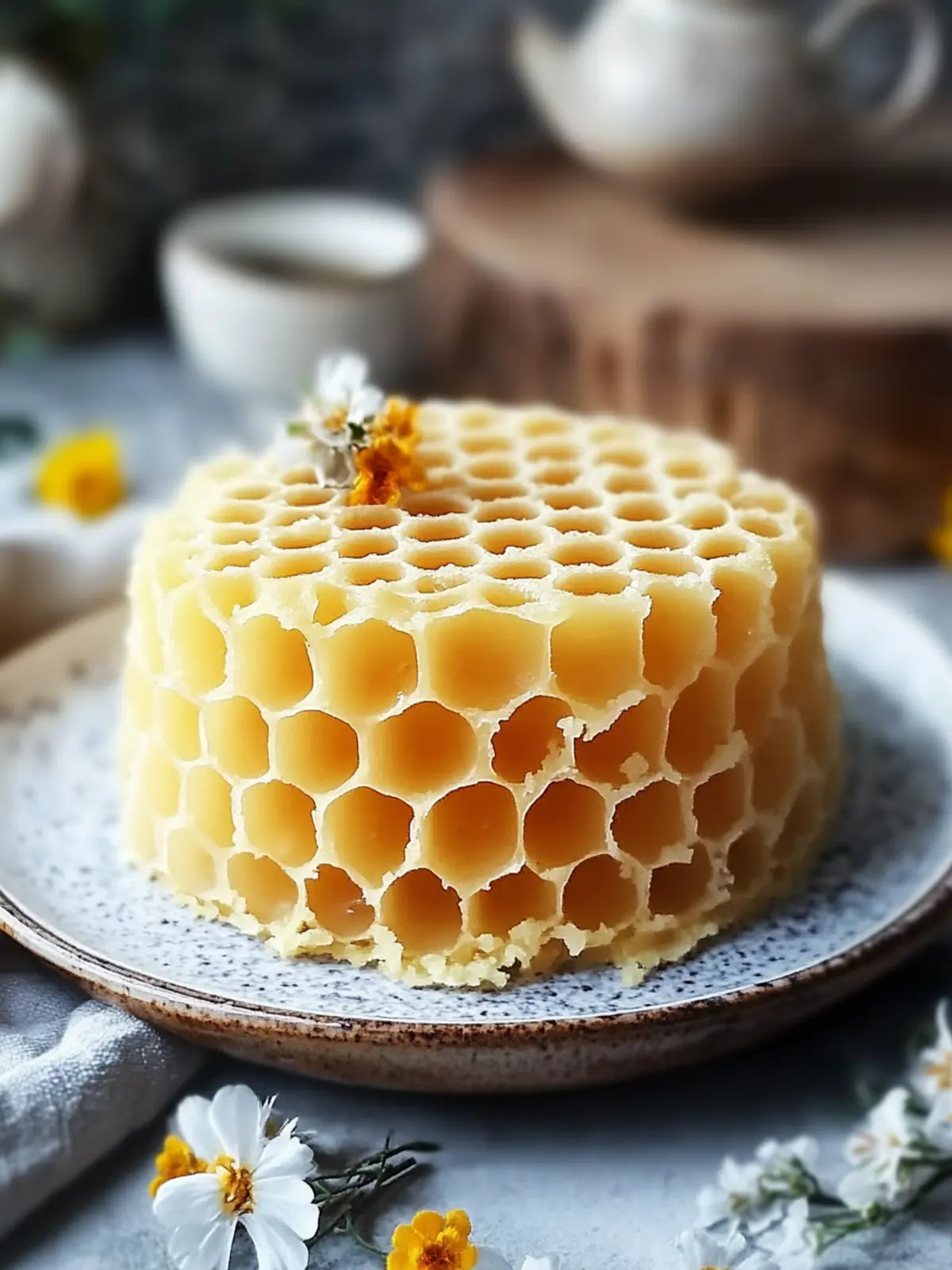
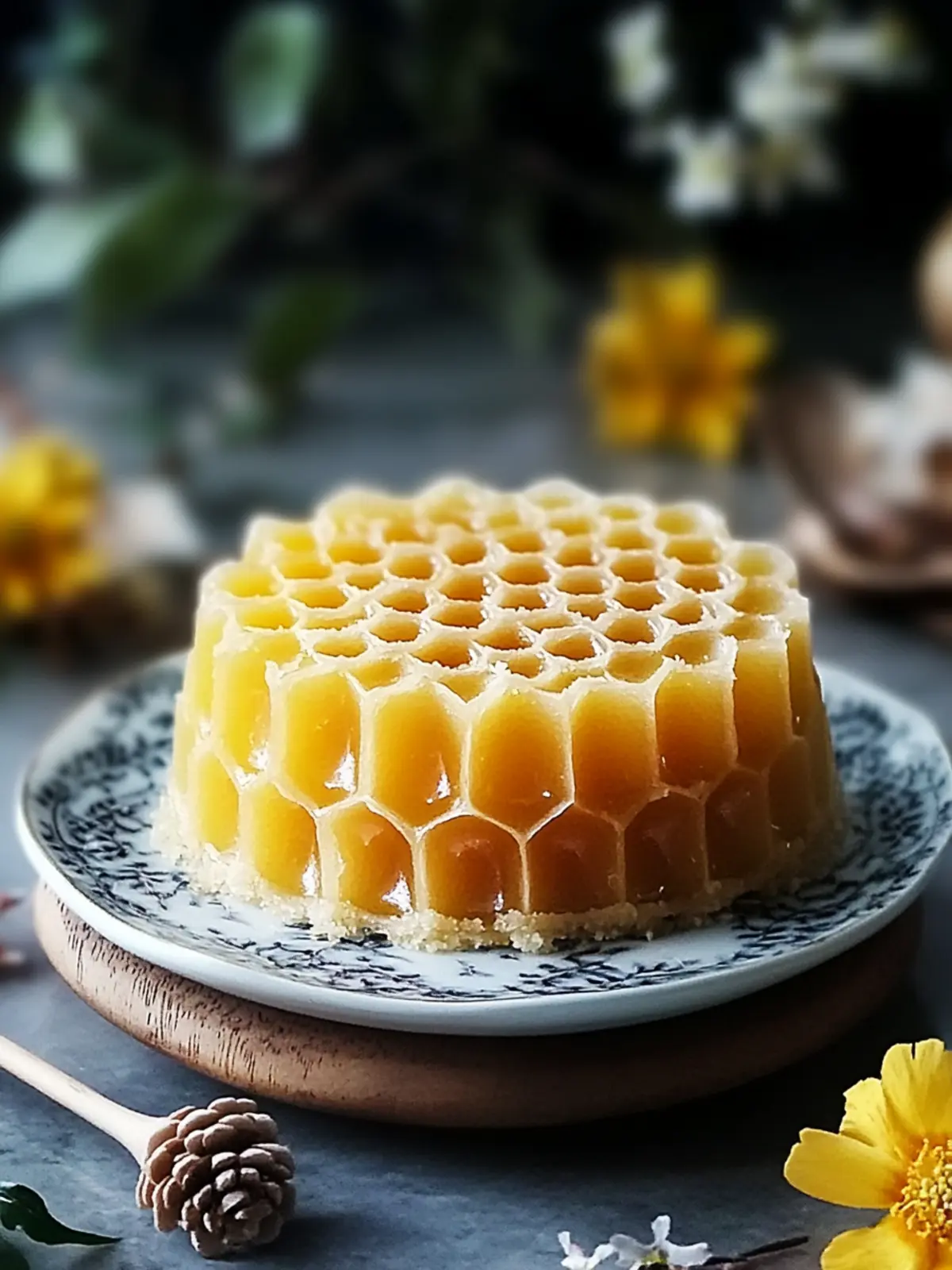
Impressive Presentation: Its unique honeycomb structure makes it a visually stunning dessert for gatherings.
Gluten-Free Goodness: Perfect for those with dietary restrictions, it caters to gluten sensitivities without sacrificing flavor.
Flavor Versatility: Customize it with ube, matcha, or fresh fruits to keep your taste buds excited.
Quick and Easy: With straightforward steps, you ll create a show-stopping treat in no time.
Cultural Experience: Delight in a traditional Vietnamese dessert that brings a piece of its culinary heritage straight to your home.
Whether you re looking to impress guests or indulge in a sweet treat yourself, this cake is the perfect choice!
Steamed Vietnamese Honeycomb Cake Ingredients
Everything you need to create this delight!
For the Cake Batter
- Tapioca Starch Provides structure and a chewy texture; use fine tapioca starch for best results.
- Rice Flour Essential for the cake s lightness and contributes to the gluten-free nature of the recipe.
- Coconut Milk Adds richness and tropical flavor; ensure it s warm for proper blending.
- Granulated Sugar Sweetens the cake; adjust sweetness as desired.
- Baking Powder Helps the cake rise; ensure it is fresh for optimal results.
- Active Dry Yeast Gives the cake its signature honeycomb texture; check freshness before use.
- Warm Water (110°F/43°C) Activates the yeast effectively; avoid extremes in temperature.
- Salt Enhances overall flavor.
- Pandan Extract Provides traditional flavor; use fresh or high-quality for the best aroma.
- Oil or Butter Greases the pan to prevent sticking.
Feel inspired and ready to whip up your own Steamed Vietnamese Honeycomb Cake!
How to Make Steamed Vietnamese Honeycomb Cake
Activate Yeast: Combine the active dry yeast, warm water (110°F/43°C), and a pinch of sugar in a bowl; let it sit for about 10 minutes until it becomes frothy. This step is crucial for that delightful honeycomb texture!
Mix Dry Ingredients: In another bowl, whisk together the tapioca starch, rice flour, and salt. This mixture will provide the cake with its unique lightness and chewy structure.
Heat Coconut Mixture: Warm the coconut milk with granulated sugar in a small saucepan until sugar dissolves, then let it cool before you combine it with the other ingredients.
Combine Ingredients: In a large mixing bowl, blend the frothy yeast mixture, pandan extract, and cooled coconut milk. Gradually mix in your dry ingredients until fully combined, forming a smooth batter.
Let it Rise: Cover the batter with a cloth and place it in a warm area for 1-2 hours, or until it has doubled in size and is bubbly. Patience is key to achieving that perfect fluffiness!
Prepare Steamer: Grease your cake pan thoroughly to prevent sticking, and set up your steamer. Ensure the steamer has a rolling boil before you pour in the batter.
Steam the Cake: Pour the batter into the prepared cake pan and steam for 25-30 minutes. Check for doneness by inserting a toothpick; it s ready when it springs back slightly and the toothpick comes out clean.
Cool & Serve: Allow the cake to cool completely in the pan before slicing and serving. Its delicate texture deserves a gentle touch!
Optional: Top with fresh tropical fruits like mango or papaya for an extra refreshing twist.
Exact quantities are listed in the recipe card below.
Make Ahead Options
These Steamed Vietnamese Honeycomb Cakes are perfect for busy home cooks looking to simplify meal planning! You can prepare the batter up to 24 hours in advance by following steps 1-4, then store it in an airtight container in the refrigerator to maintain freshness. When ready to enjoy, allow the batter to come to room temperature for about 30 minutes before letting it rise (step 5) and steaming (steps 6-7). This method keeps the cake just as delicious without losing its airy texture perfect for last-minute gatherings or personal treats! Plus, with a little planning, you can savor this delightful dessert anytime.
Expert Tips for Steamed Vietnamese Honeycomb Cake
- Fresh Yeast: Always use fresh yeast; stale yeast will prevent proper activation and ruin the honeycomb structure you crave.
- Correct Water Temperature: Make sure your warm water is around 110°F (43°C) to activate the yeast effectively; too hot or too cold may hinder the yeast s performance.
- Patience is Key: Allow the batter to rise adequately, as this is crucial for achieving the light, airy texture of the Steamed Vietnamese Honeycomb Cake.
- Gentle Steaming: Steam at a moderate heat to ensure even cooking; avoid boiling too vigorously, which can cause the cake to collapse.
- Sift Dry Ingredients: Sifting the tapioca starch and rice flour can help prevent lumps, ensuring a smooth batter that enhances the cake’s lovely texture.
Steamed Vietnamese Honeycomb Cake Variations
Feel free to explore different flavors and textures while making this delightful cake!
Ube Twist: Substitute some rice flour with ube powder for a vibrant color and nutty flavor sure to wow your guests.
Matcha Magic: Add matcha powder to the dry ingredients to introduce a beautifully earthy taste and green hue to the cake.
Coconut Shreds: Fold in unsweetened shredded coconut for an extra layer of tropical flavor and chewy texture.
Citrus Zest: Add lemon or lime zest to the batter for a bright, zesty kick to balance out the sweetness.
Fruit Infusion: Blend in mashed ripe bananas or pureed mango for a naturally sweet flavor that brightens the cake’s taste.
Spicy Notes: Mix in a pinch of ground ginger or cinnamon to create a warm, cozy vibe and an intriguing flavor profile.
Berries on Top: For a stunning presentation, garnish the finished cake with fresh berries or a berry compote that adds a tantalizing tartness.
Nutty Flavor: Incorporate almond or cashew meal into the batter for a delightful crunch and nutty undertone that complements the soft cake.
What to Serve with Steamed Vietnamese Honeycomb Cake?
Indulging in this tropical delight creates the perfect setting for delightful pairings that enhance its airy sweetness.
Coconut Sorbet: This refreshing treat mirrors the coconut flavor in the cake, providing a cool contrast on warm days.
Tropical Fruit Salad: Bright slices of mango, pineapple, and kiwi add a vibrant touch, balancing the cake’s sweetness with refreshing acidity.
Matcha Green Tea: The earthy notes of matcha complement the cake beautifully, creating a soothing beverage pairing for a calming experience.
Jasmine Tea: Its floral aroma enhances your tasting experience, transporting you to bustling Vietnamese tea houses with every sip.
Whipped Cream: A dollop of lightly sweetened whipped cream brings a creamy texture that highlights the cake’s fluffiness, making each bite festive.
Fresh Mint Leaves: A sprinkle of mint adds a refreshing burst, elevating the dish with a hint of garden freshness, perfect for summer gatherings.
Mango Sticky Rice: For a heartier option, this sweet dessert plays well with tropical flavors, providing a comforting finish to your meal.
With these delightful accompaniments, your experience with the Steamed Vietnamese Honeycomb Cake will be unforgettable!
Storage Tips for Steamed Vietnamese Honeycomb Cake
- Room Temperature: Store the cake in an airtight container at room temperature for up to 3 days to maintain its delightful texture.
- Fridge: If you want to keep it longer, refrigerate for up to a week in an airtight container to prevent drying out.
- Freezer: For longer storage, freeze the Steamed Vietnamese Honeycomb Cake for up to 3 months. Wrap it tightly in plastic wrap and then place it in a freezer-safe bag.
- Reheating: Thaw overnight in the fridge, then steam for a few minutes to revive its fluffy texture before serving.
Steamed Vietnamese Honeycomb Cake Recipe FAQs
What is the best way to select ripe ingredients for the cake?
Absolutely! When choosing your ingredients, make sure your coconut milk is of high quality; it should have a rich and creamy consistency, ideally from a can rather than a carton. For fresh pandan leaves, look for vibrant, dark green leaves without any browning or wilting. As for the granulated sugar, always use fresh, and check the baking powder for freshness by adding a bit to water; it should fizz if still active.
How should I store the Steamed Vietnamese Honeycomb Cake?
You can store the cake in an airtight container at room temperature for up to 3 days. If you’re looking to keep it longer, refrigerate it for up to a week. Just make sure it’s sealed well to prevent it from drying out. For longer-term storage, it freezes beautifully for up to 3 months; wrap the cake well in plastic wrap and place it in a freezer-safe bag.
Can I freeze the Steamed Vietnamese Honeycomb Cake?
Yes, freezing is a fantastic option! To freeze, allow the cake to cool completely, then wrap it tightly in plastic wrap followed by aluminum foil to prevent freezer burn. When you’re ready to enjoy, simply thaw it overnight in the fridge. To revive its mouthwatering texture, steam it for a few minutes before serving.
What if my cake does not rise properly?
No worries! If your cake doesn t rise as expected, it often points to yeast issues. Ensure your active dry yeast is fresh; it should bubble up after mixing with warm water. If it doesn’t, you may need to start over. Also, be patient during the rising stage; allowing the batter to sit in a warm place for 1-2 hours is critical for that fluffy texture. Another tip is to check the exact temperature of the water using water too hot or too cold can hinder the yeast from working effectively.
Is the Steamed Vietnamese Honeycomb Cake safe for those with dietary restrictions?
Yes! This delightful cake is gluten-free, making it suitable for individuals with gluten sensitivities. However, always double-check your ingredient labels for any hidden gluten sources. If you’re serving this cake to friends or family with allergies, it s best to inquire about their specific dietary needs, particularly concerning the coconut milk or any added toppings.