
Delightful Pavlova: Your Easy Guide to a Light Dessert
Last Updated on May 8, 2026 by beatricerecipez
There’s something truly enchanting about the light, airy allure of a pavlova. I first encountered this elegant dessert at a summer gathering, where the vibrant colors of berries atop a delicate meringue nest danced in the sunlight. The moment I took a bite, I was captivated by the crispy shell that yielded to a soft, marshmallow-like center an experience I knew I had to recreate in my own kitchen. This classic pavlova is the epitome of a delightful end to any meal, marrying its gluten-free appeal with a crowd-pleasing nature.
Perfect for celebrations or just a sweet indulgence on a quiet evening, this recipe offers both ease and an impressive finish. With only a handful of simple ingredients and minimal fuss, you, too, can craft this stunning dessert that s sure to steal the show. So, grab your whisk and let s dive into making a pavlova that will bring smiles to those you share it with!
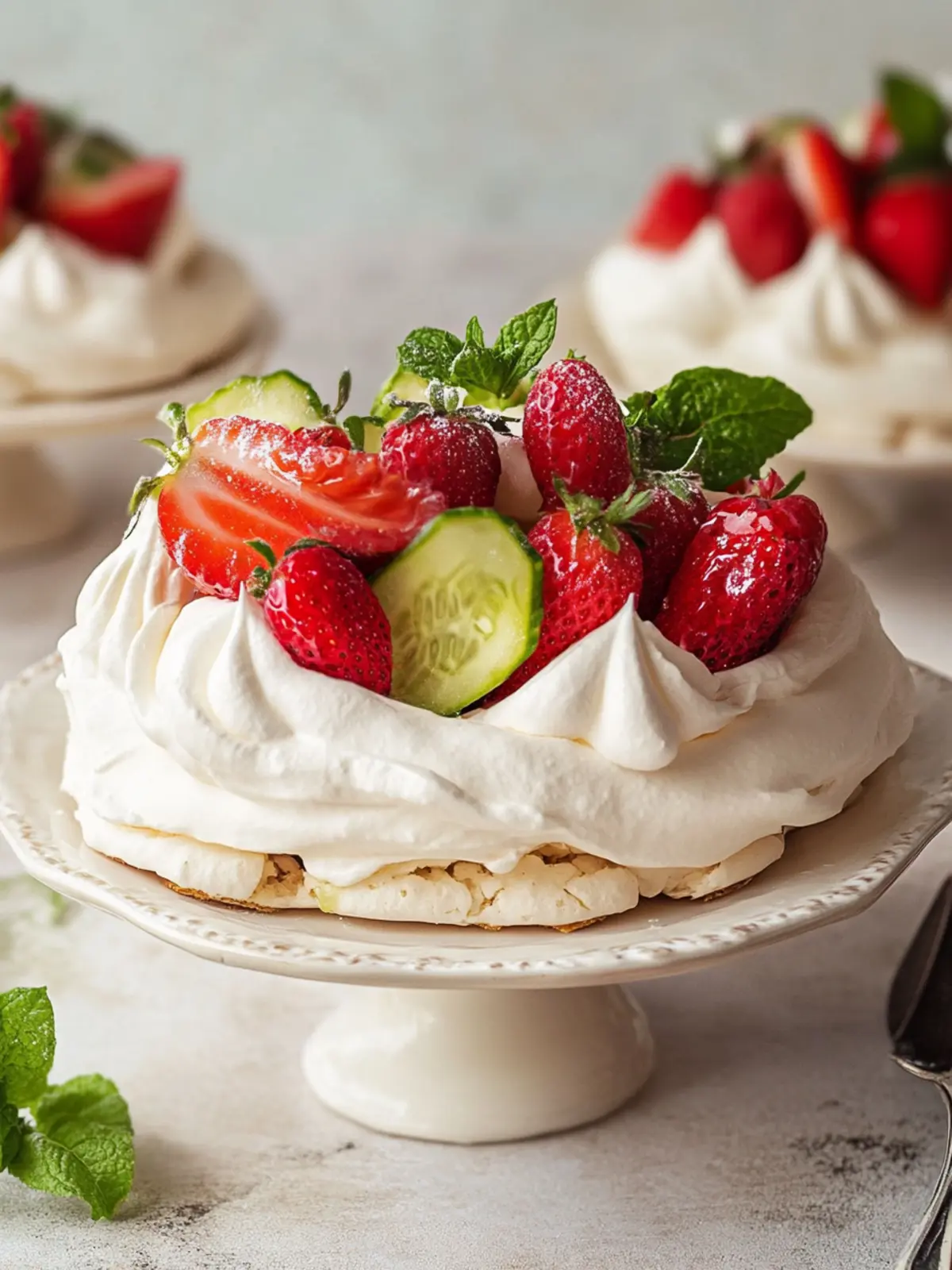
Why is Pavlova a Must-Try Dessert?
Light and Guilt-Free: This pavlova is an irresistibly light dessert that delivers satisfaction without the heaviness typically found in sugary treats.
Effortless Elegance: With just a few everyday ingredients, you ll create an impressive centerpiece that looks stunning at any gathering.
Versatile Toppings: Top it with your favorite fruits; whether you choose fresh berries or tropical options, the choice is yours!
Crowd-Pleasing Delight: Perfect for celebrations like Easter or Mother’s Day, it guarantees smiles and compliments from guests.
Make Ahead Magic: The meringue shells can be prepared in advance and frozen, saving you time when it matters.
Now, gather your ingredients and prepare to impress with this delightful pavlova!
Pavlova Ingredients
For the Meringue
- Large Egg Whites Essential for a sturdy base; ensure they are at room temperature for maximum volume.
- Cornstarch Stabilizes and creates that chewy interior; no substitutes needed for best results.
- Salt Elevates the flavor of the meringue; a pinch of cream of tartar can be used for added stability.
- Granulated Sugar Adds sweetness and volume; avoid substitutes and opt for caster sugar for easier mixing.
- Vanilla Extract Infuses delightful flavor into the meringue; try almond extract if you want a unique twist.
For the Topping
- Fresh Strawberries Adds a burst of sweetness and tartness; feel free to mix in any berries you love!
- Kiwis Offers a tangy contrast that pairs beautifully with sweetness; substitute with mango or passion fruit if desired.
- Fat-Free Whipped Cream Gives that rich creaminess to the pavlova; choose non-dairy whipped cream for a dairy-free option.
Get ready to create a gorgeous Pavlova that will wow your friends and family!
How to Make Pavlova
Preheat the Oven: Begin by preheating your oven to 350°F. While it heats, prepare a baking sheet by lining it with parchment paper; draw six 4-inch circles as guides for the meringues.
Beat the Egg Whites: In a clean mixing bowl, beat your egg whites, cornstarch, and salt on high speed until the mixture becomes foamy and starts to build volume.
Add the Sugar Gradually: Slowly add the granulated sugar, one tablespoon at a time, continuing to beat until the mixture thickens and turns glossy. Finish off by mixing in the vanilla extract for an extra burst of flavor.
Shape the Meringues: Divide the fluffy egg white mixture among the circles you drew earlier. Gently shape them into nests, creating little wells for holding the toppings later.
Bake to Perfection: Place the baking sheet in the preheated oven, but lower the temperature to 300°F immediately. Bake for 1 hour, then turn off the oven, leaving the pavlovas inside to cool completely for at least 4 hours, ensuring they dry out perfectly.
Remove with Care: Once cooled, carefully peel the meringues from the parchment, taking your time to maintain their delicate structure.
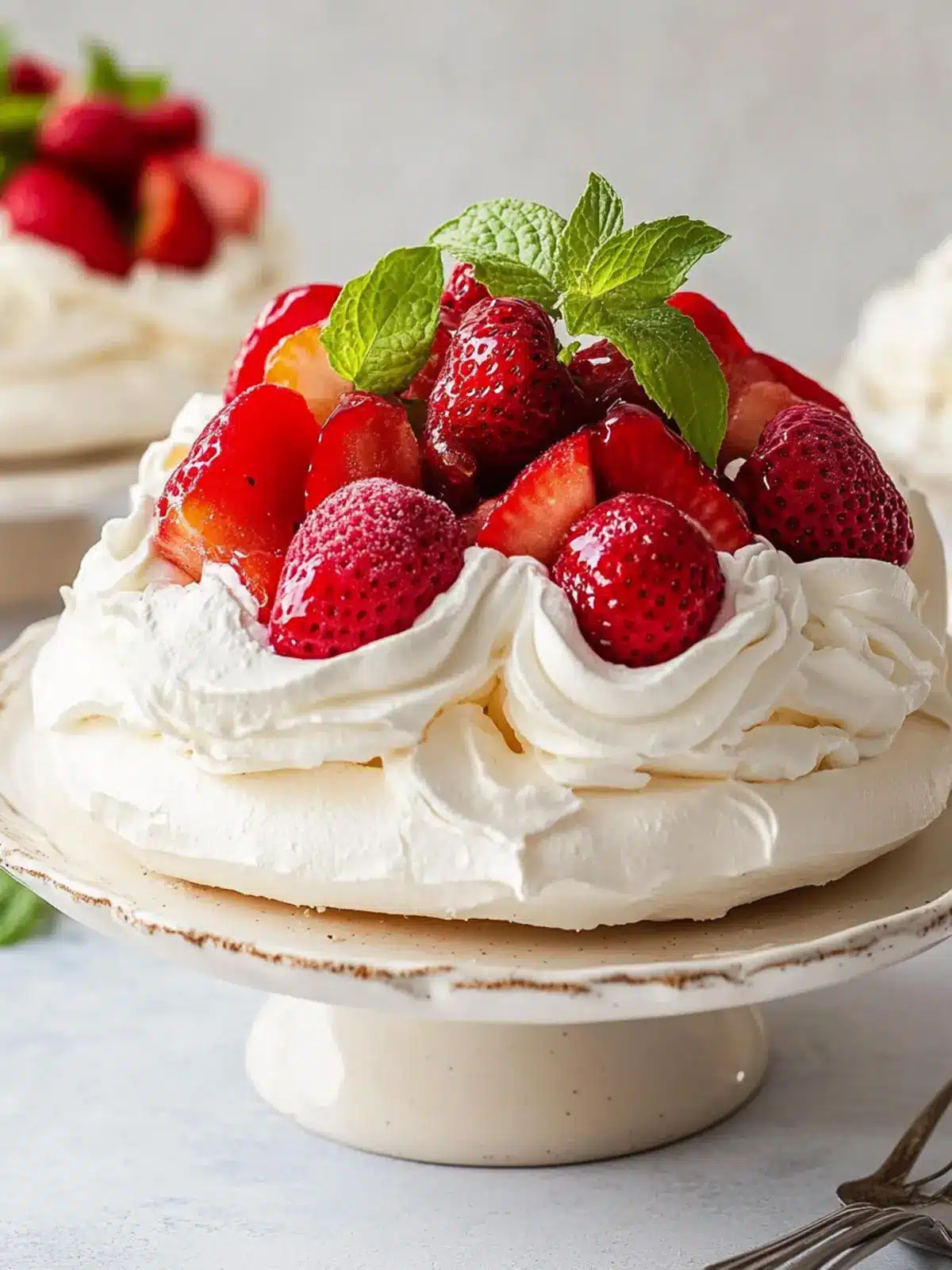
Top and Serve: To serve, lavishly top each meringue with whipped cream and an array of fresh fruit, arranging the strawberries, kiwis, or your chosen fruits on top for a stunning display.
Optional: Sprinkle with a hint of powdered sugar for an extra touch of sweetness.
Exact quantities are listed in the recipe card below.
How to Store and Freeze Pavlova
Room Temperature: Allow the baked meringue shells to cool completely before storing them; they can be kept in an airtight container for up to 2 days.
Fridge: Assembled pavlova with whipped cream and fruit should ideally be served immediately. If storing leftovers, refrigerate for up to 1 day, but the texture may suffer.
Freezer: You can freeze the meringue shells for up to 2 months by placing them in an airtight container, separating layers with parchment paper to prevent sticking.
Reheating: It s best to serve pavlova fresh; however, if you must reheat, briefly place it in a low oven (200°F) for 10 minutes to revive the crispiness, but only prepare the topping right before serving for the best experience.
Pavlova Variations & Substitutions
Unlock the full potential of your pavlova by customizing it with these fun variations and swaps to enhance flavor and cater to dietary needs.
Dairy-Free: Swap regular whipped cream with coconut or almond-based whipped cream for a delightful non-dairy option that’s equally creamy.
Tropical Twist: Replace strawberries and kiwis with fresh mango, pineapple, or passion fruit to create a vibrant tropical-themed pavlova.
Flavor Burst: Infuse your meringue with a touch of citrus zest lemon or lime for a refreshing zing that brightens the dessert.
Nutty Delight: Fold in finely chopped nuts, such as pistachios or toasted almonds, into the whipped cream for added texture and a nutty flavor.
Chocolate Indulgence: Drizzle melted dark chocolate over the assembled pavlova for an indulgent touch that pairs beautifully with creamy toppings.
Herbal Edge: Add a sprinkle of fresh mint or basil to the fruit topping for a surprising flavor combo that elevates your pavlova game.
Spicy Kick: Mix in a pinch of ground cinnamon or nutmeg into the meringue for a subtle warmth that perfectly complements the sweetness.
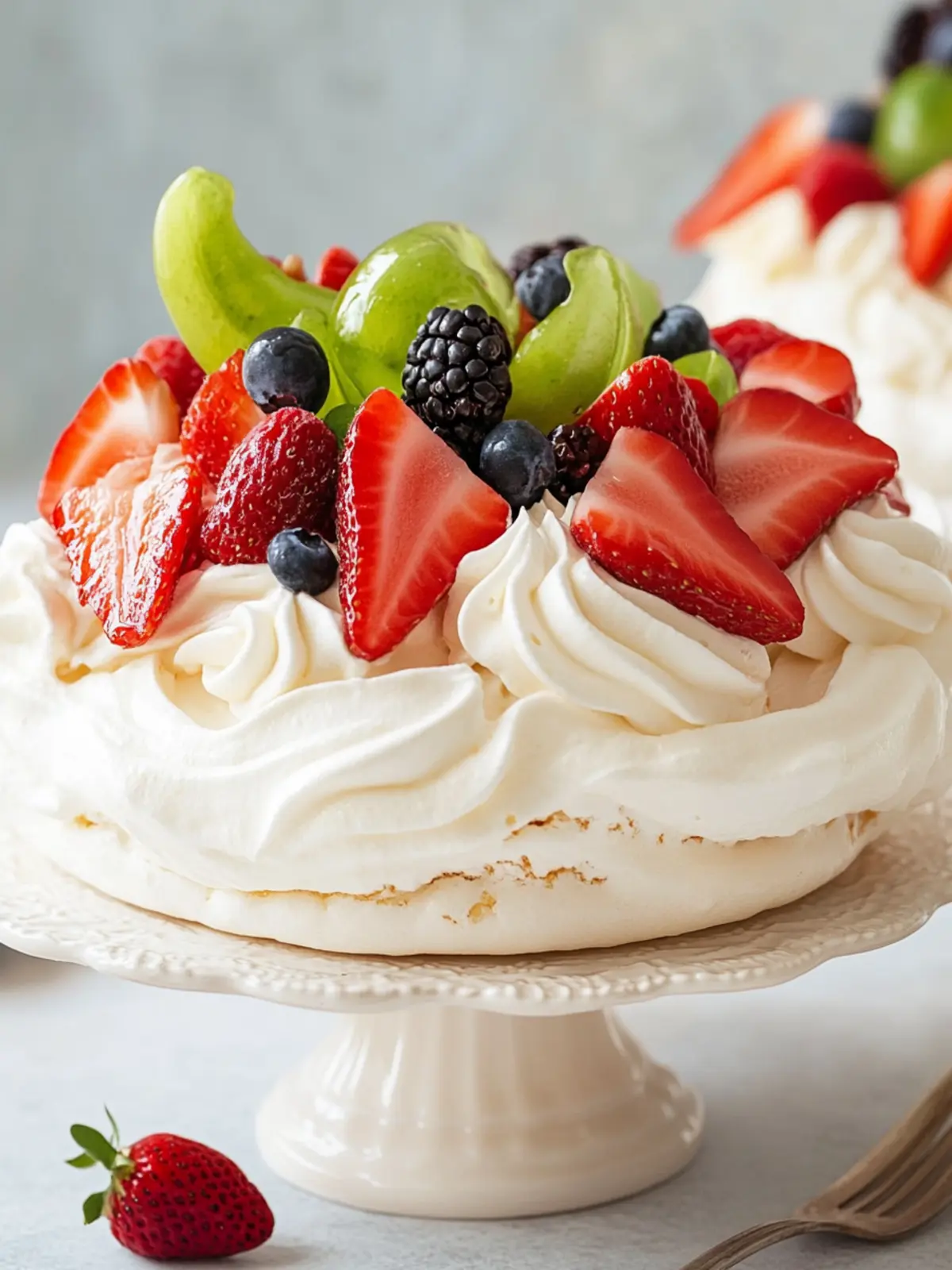
Berry Medley: Experiment with different mixed berries like blueberries, raspberries, or blackberries for a colorful and juicy topping that bursts with flavor.
With these variations, your pavlova becomes a canvas for creativity, ready to delight every palate!
Expert Tips for Perfect Pavlova
Room Temperature Egg Whites: Ensure your egg whites are at room temperature before beating; this helps achieve maximum volume and stability for the meringue.
Gradual Sugar Addition: Add the sugar slowly, one tablespoon at a time, to create a thick, glossy mixture; rushing this step can lead to a grainy texture.
Avoid Humidity: Make sure to bake on a dry day; humidity can negatively impact the texture of your pavlova, making it chewy instead of crisp.
Cool Completely: Allow the pavlova to cool in the oven with the door ajar after baking; this prevents cracks and maintains its structure.
Assemble Just Before Serving: Top your pavlova with whipped cream and fruit immediately before serving to prevent the meringue from becoming soggy.
Embrace these tips for a show-stopping Pavlova that everyone will love!
Make Ahead Options
These pavlovas are perfect for busy weeknights or special occasions! You can prepare the meringue shells up to two days in advance and store them in an airtight container at room temperature. To maintain their delicate texture, make sure they are entirely cool before storing and keep them away from humidity, which can affect their crispness. When you re ready to serve, simply top each meringue with whipped cream and your choice of fresh fruit. If you’re in a real time crunch, you can also freeze the meringue shells for up to two months; just thaw them in the fridge before finishing with the toppings. You’ll have a stunning pavlova ready to impress your guests with minimal effort!
What to Serve with Pavlova?
Elevate your pavlova experience with delightful pairings that enhance its light, airy charm.
Fresh Berries: A medley of strawberries, blueberries, and raspberries adds a juicy burst of flavor that complements the sweetness of the pavlova. Their vibrant colors make for a stunning presentation.
Citrus Sorbet: The cool, refreshing taste of lemon or lime sorbet contrasts beautifully with the rich creaminess of the pavlova. It’s a perfect palate cleanser for a multi-course meal.
Mint Leaves: A sprinkle of fresh mint leaves brings a pop of herbal freshness that brightens the dessert. Not only does it look lovely but it also adds a refreshing note to each bite.
Rich Chocolate Sauce: Drizzle a silky chocolate sauce over your pavlova for an indulgent twist. The bittersweet notes of chocolate beautifully balance the sugary meringue, creating a luxurious experience.
Sweet Wine: A glass of Moscato or Riesling pairs wonderfully with pavlova, enhancing the fruitiness of the dessert while adding a delightful sweetness to your meal.
Homemade Compote: A warm berry compote provides a luscious, tangy topping that intertwines with the pavlova s textures, creating a symphony of flavors to enjoy.
Toasted Coconut Flakes: Sprinkle some toasted coconut on top for a crunchy texture and tropical flair, elevating the overall flavor profile. It’s a delightful contrast to the soft meringue.
Vanilla Ice Cream: Serve a scoop of vanilla ice cream alongside the pavlova for creamy contrast. The chill of the ice cream pairs beautifully with the warm sweetness of the meringue.
Pistachio Crumbs: Finely chopped pistachios add a nutty crunch and stunning green pop of color, making the pavlova visually appealing and delicious at the same time.
Pavlova Recipe FAQs
How do I choose the right egg whites for the meringue?
Absolutely! It’s essential to use large egg whites that are at room temperature. This helps create better volume as they whip, resulting in that light and airy texture that pavlova is known for. Also, ensure that your egg whites are free from any yolk, as even a tiny speck can hinder the whipping process.
How should I store leftover pavlova?
Very good question! An assembled pavlova won’t stay fresh for long, so it’s best enjoyed immediately. If you have leftovers, you can refrigerate them for up to 1 day, though the meringue may become soft. For unassembled meringue shells, store them in an airtight container at room temperature for up to 2 days.
Can I freeze pavlova meringue shells?
Absolutely! Meringue shells can be made ahead and frozen for up to 2 months. Make sure the shells are completely cooled, then place them in an airtight container, separating layers with parchment paper to prevent sticking. When you’re ready to serve, simply thaw them at room temperature and avoid adding toppings until just before serving.
What should I do if my pavlova cracks during baking?
If your pavlova cracks, don’t worry too much it happens to the best of us! Ensure you’ve allowed it to cool gradually by leaving it in the oven with the door slightly ajar, as a rapid temperature change can cause cracks. When serving, cover any cracks with whipped cream and fruit; they won’t be noticeable, and your dessert will still look beautiful!
Are there any dietary considerations for pavlova?
Definitely! One of the great things about pavlova is that it can be made gluten-free and dairy-free with simple substitutions. Use a dairy-free whipped cream alternative for those who are lactose intolerant, and for your allergenic friends, make sure to keep an eye on the fruit toppings you choose fresh berries are typically safe for most diets.
How can I tell if my egg whites are whipped properly?
Very simply! You ll know your egg whites are at a perfect stiff peak when they hold their shape and you can invert the bowl without them sliding out. The mixture should be glossy and thick; if they appear grainy, you may need to continue beating until achieving the right consistency. You’re well on your way to creating the perfect pavlova!