
Miso Udon Noodle Soup Recipe: Quick Comfort in a Bowl (Video)
Last Updated on May 8, 2026 by beatricerecipez
Imagine walking into your kitchen and being greeted by the inviting aroma of a warm, savory broth simmering on the stove. That’s the moment I fell in love with Miso Udon Noodle Soup. This delightful dish is not only a cozy hug in a bowl but also a ticket to a quick culinary getaway, transforming your weeknight routine into a comforting Japanese experience.
With the creamy miso base melding beautifully with chewy udon noodles, it s hard to believe you can whip this up in under 30 minutes! As I chop fresh garlic and sauté shiitake mushrooms, I can’t help but feel joy simmering alongside the broth. The best part? You can customize this soup to your liking with an array of toppings, whether it s fresh vegetables, soft-boiled eggs, or a sprinkle of sesame seeds for that extra crunch.
So, let s dive into this quick and satisfying recipe that promises to breathe life back into your dinner routine. Whether you’re a seasoned chef or simply looking for a nourishing meal after a long day, this Miso Udon Noodle Soup is ready to become your new favorite!
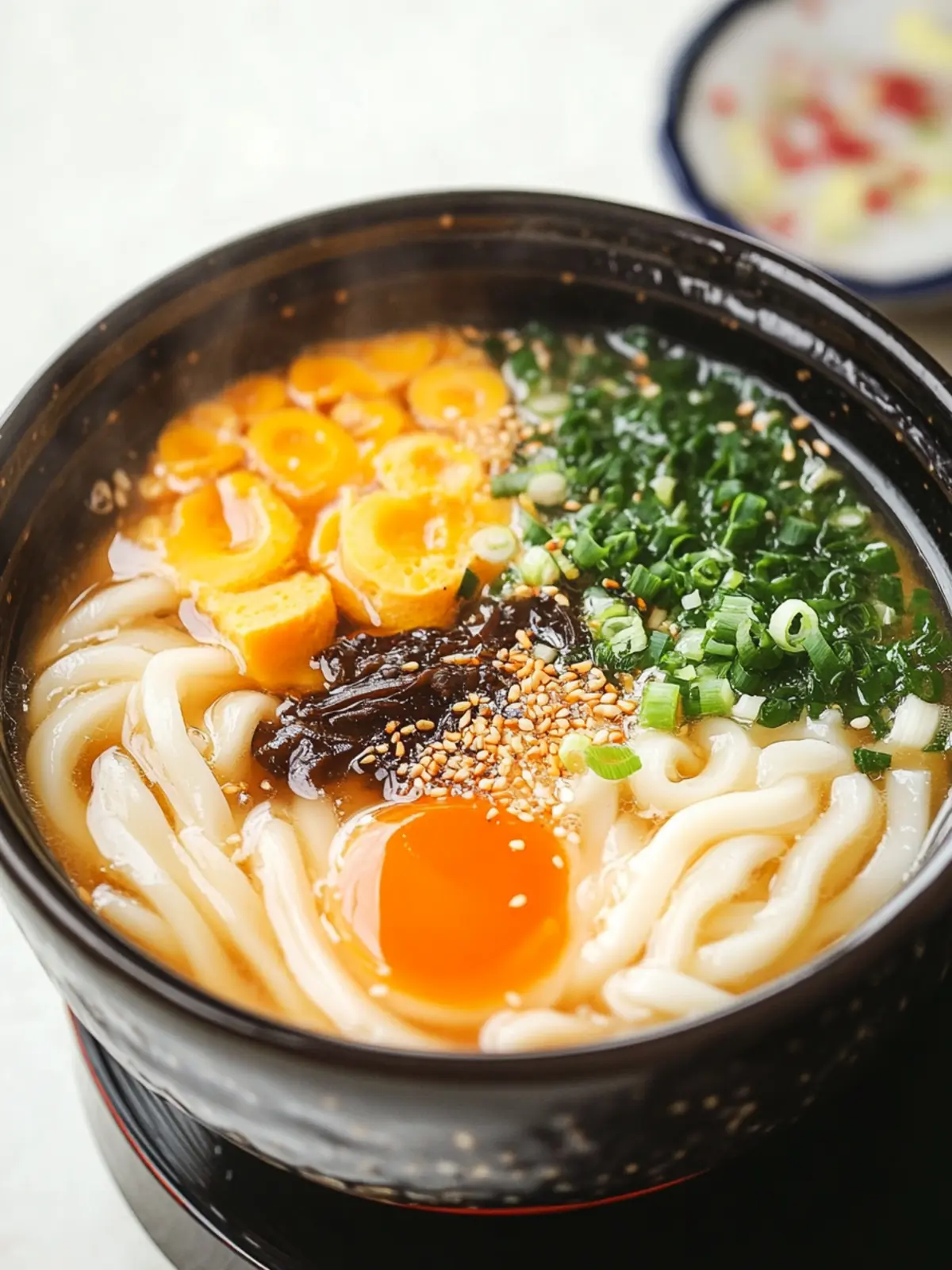
Why is Miso Udon Noodle Soup so special?
Comforting Warmth: This soul-soothing soup warms you from the inside out, making it perfect for chilly nights.
Quick to Make: Under 30 minutes from start to finish, it s a lifesaver for busy cooks!
Flavorful Broth: The umami-rich miso blend creates a deeply satisfying taste experience.
Customizable Toppings: Personalize your bowl with fresh veggies, protein, or garnishes to suit your cravings!
Healthy and Balanced: Packed with nutrients, it’s a guilt-free indulgence that fits well into a wholesome diet. Whether you re cooking for yourself or feeding a crowd, this dish’s versatility and crowd-pleasing appeal will have everyone asking for seconds!
Miso Udon Noodle Soup Ingredients
For the Broth
Udon Noodles Chewy texture that forms the soup’s hearty base; choose frozen or fresh and follow package instructions.
Oil A neutral cooking medium to sauté aromatics; can use anything like vegetable or canola oil.
Garlic Adds aromatic flavor; fresh garlic is ideal, but garlic powder will do in a pinch.
Green Onions (White Parts) Provides freshness and flavor in the broth; leeks can work as a tasty alternative.
Shiitake Mushrooms Boosts umami and texture; use fresh or dried (rehydrate dried before use).
Water Acts as the essential base for your savory broth.
Dashi Powder Enhances depth and umami; opt for vegetarian dashi to keep it plant-based.
Soy Sauce Adds necessary seasoning and saltiness; tamari is a gluten-free alternative.
Mirin Infuses a touch of sweetness and acidity; substitute with a hint of sugar and vinegar if needed.
Miso Paste The star of the show that imparts richness and depth; both white and red miso work beautifully.
For Toppings
Corn Adds a pop of sweetness and texture; feel free to skip if desired.
Green Onion (Green Parts) Brightens the dish with fresh color and taste; a necessary garnish!
Soft-Boiled Eggs Provides protein and a creamy element; boil for about 6 minutes for perfect results.
White Sesame Seeds Offers optional crunch and flavor; sprinkle some for extra bite!
Schichimi Togarashi Introduces heat and nuance; any chili flakes can be used if you prefer a simpler spice.
How to Make Miso Udon Noodle Soup
Prepare the Noodles: Cook the udon noodles according to package instructions. Once done, drain and rinse under cold water to stop the cooking process, then set aside.
Sauté Aromatics: In a large pan, heat 1 tablespoon of oil over medium heat. Add in minced garlic, the white parts of the green onion, and sliced shiitake mushrooms. Sauté until soft and fragrant, around 3-4 minutes.
Make the Broth: Pour in water, dashi powder, soy sauce, and mirin. Stir the mixture and bring it to a gentle simmer; this should take about 5 minutes.
Incorporate Miso: Lower the heat and add in the miso paste. Stir well until completely dissolved, ensuring not to let the broth boil to preserve the flavors.
Combine Noodles and Broth: Gently fold in the cooked udon noodles into the rich broth. Let everything meld together for 2-3 minutes, ensuring the noodles are heated through.
Serve and Garnish: Ladle the hot soup into bowls and top with a burst of sweetness from corn, the fresh green parts of green onion, soft-boiled eggs, a sprinkle of sesame seeds, and a pinch of schichimi togarashi for a kick.
Optional: Add a squeeze of lime for a refreshing zing.
Exact quantities are listed in the recipe card below.
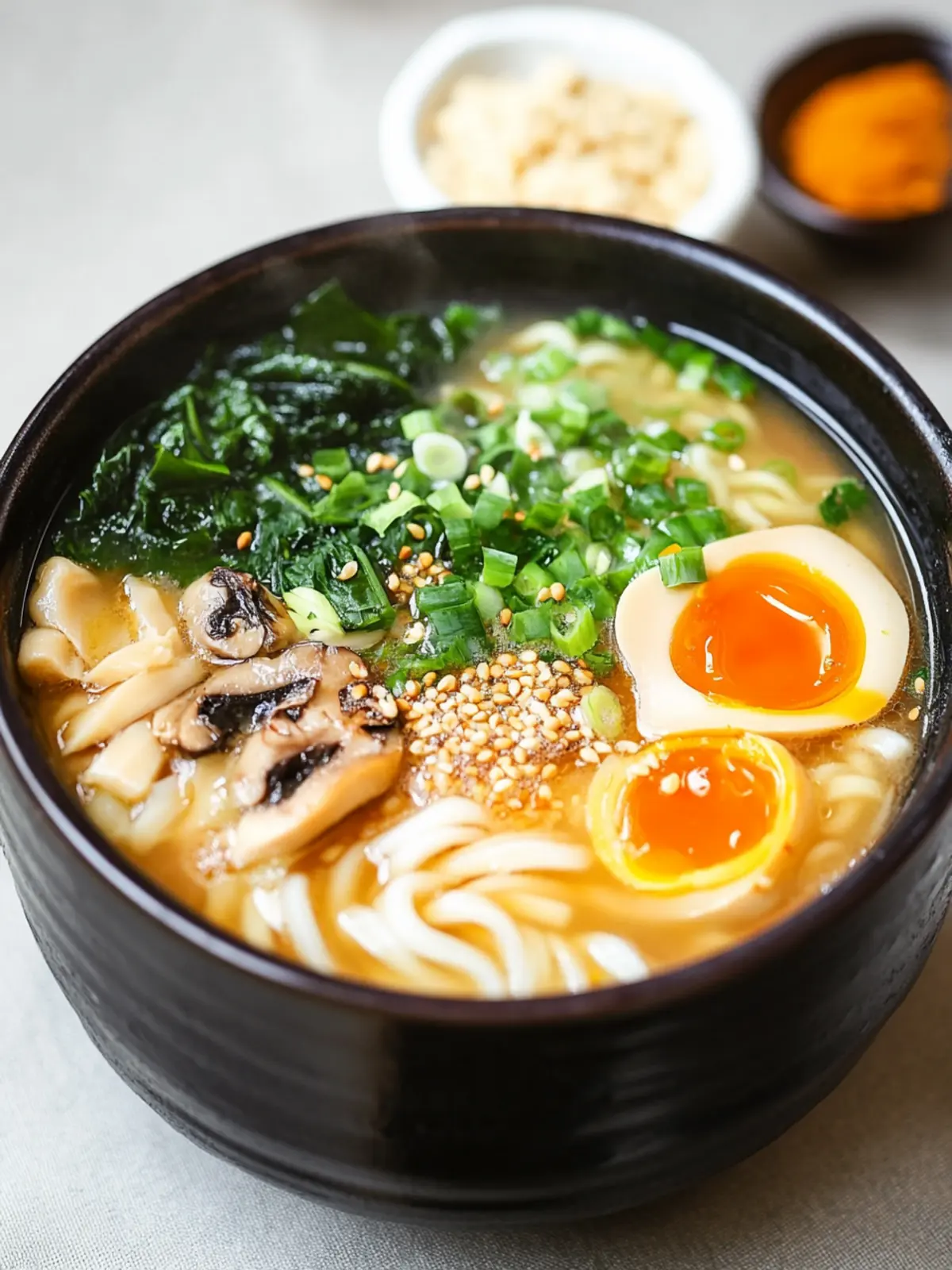
How to Store and Freeze Miso Udon Noodle Soup
Fridge: Store leftover soup in an airtight container for up to 3 days. Keep the noodles separate from the broth to maintain their texture.
Freezer: You can freeze the broth (without noodles) for up to 2 months. Pour the cooled broth into freezer-safe containers, leaving some space for expanding liquids.
Reheating: Thaw frozen broth in the fridge overnight, then reheat on the stovetop until hot. Add freshly cooked udon noodles for a delightful meal.
Noodle Storage: If storing cooked noodles, keep them in a sealed container with a bit of oil to prevent sticking, and use within 2 days for best quality.
Miso Udon Noodle Soup Variations
Invite your inner chef to explore new flavors and textures while preparing this deliciously customizable soup.
Vegetable Boost: Add bok choy or spinach for added nutrients and vibrant color. Just toss them in during the last few minutes of cooking!
Tofu Twist: Substitute soft-boiled eggs with cubed tofu for a delightful vegetarian protein option. Pan-fry the tofu until golden for extra texture.
Protein-Packed: Stir in shredded chicken, pork, or shrimp to enrich the dish with more substantial flavors. They heat nicely in the simmering broth.
Spicy Kick: Mix in sriracha or sambal oelek for a fiery kick. Adjust the amount according to your preferred heat level for a personalized bite!
Citrus Zest: A squeeze of lime or lemon juice just before serving enhances freshness and brightens the dish. It s a delightful twist that elevates the flavors!
Noodle Options: Try different noodles such as rice noodles or soba for a unique twist. Each noodle type brings its own texture and flavor to the soup.
Miso Medley: Experiment with blends of white and red miso to create a more complex flavor profile. Taste as you go, and adjust to your liking!
Savory Broth: Swap in vegetable broth instead of water for an even richer flavor base. This adds depth, enhancing the overall umami experience.
Tips for the Best Miso Udon Noodle Soup
Taste Testing: Always taste your broth before serving. Adjust soy sauce and dashi according to your preference; you can easily balance flavors in the miso udon noodle soup.
Avoid Boiling Miso: Remember, once miso paste is added, keep the heat low! Boiling miso can strip it of its rich flavors and health benefits.
Perfect Soft-Boiled Eggs: For creamy soft-boiled eggs, elevate the experience by cooling them in ice water immediately after cooking. This stops the cooking process and ensures a luscious yolk.
Noodle Care: Don t forget to rinse cooked udon noodles under cold water to stop cooking; this preserves their chewy texture.
Add Extra Veggies: Feel free to toss in quick-cooking veggies like spinach or bok choy for added nutrition. They can make your miso udon noodle soup even more delightful!
Meal Prep Friendly: Make your broth in advance and store it in the fridge for up to two days. Just reheat before adding fresh noodles and toppings!
What to Serve with Miso Udon Noodle Soup?
This delicious miso udon noodle soup deserves a beautiful table to accompany it, enhancing your cozy dining experience.
Crunchy Spring Rolls: These light, crispy bites offer a satisfying crunch that contrasts beautifully with the rich, warm broth. Perfect for dipping in a sweet chili sauce, they bring a delightful texture to your meal.
Steamed Edamame: A simple and nutritious choice, steaming edamame with a sprinkle of sea salt brings a pop of color and protein. They are fun to eat and add a fresh element to your table.
Sesame-Ginger Cucumber Salad: Crisp cucumbers tossed in a tangy sesame-ginger dressing provide a refreshing balance to the hearty noodles. The coolness cuts through the warmth of the soup, creating harmony on your palate.
Grilled Tofu Skewers: Pairing your soup with grilled tofu adds a savory bite of protein. Skewered and glazed with a bit of soy sauce, they not only complement the soup’s flavors but also make for an incredibly satisfying meal.
Spicy Pickled Vegetables: The bright acidity of pickled veggies offers a lovely contrast to the rich miso flavors, adding a punchy zing. These bite-sized morsels are perfect as a side, awakening your taste buds.
Green Tea: A warm cup of green tea is a lovely drink to enjoy alongside your udon soup. It enhances the overall Japanese dining experience while providing a soothing contrast to the hearty flavors of your meal.
Indulge in these pairings to elevate your comforting bowl of Miso Udon Noodle Soup into a complete and memorable dining experience!
Make Ahead Options
These Miso Udon Noodle Soup components are perfect for meal prep! You can prepare the broth up to 3 days in advance and store it in the refrigerator, ensuring all the flavors meld beautifully. Simply sauté the garlic, green onions, and mushrooms, then add water, dashi, soy sauce, mirin, and miso, allowing the broth to reach a simmer. For the udon noodles, you can cook and rinse them up to 24 hours before serving, refrigerating them separately. When you’re ready to enjoy your cozy bowl, reheat the broth gently, stir in the noodles, and top with your desired garnishes for a delicious, hassle-free meal!
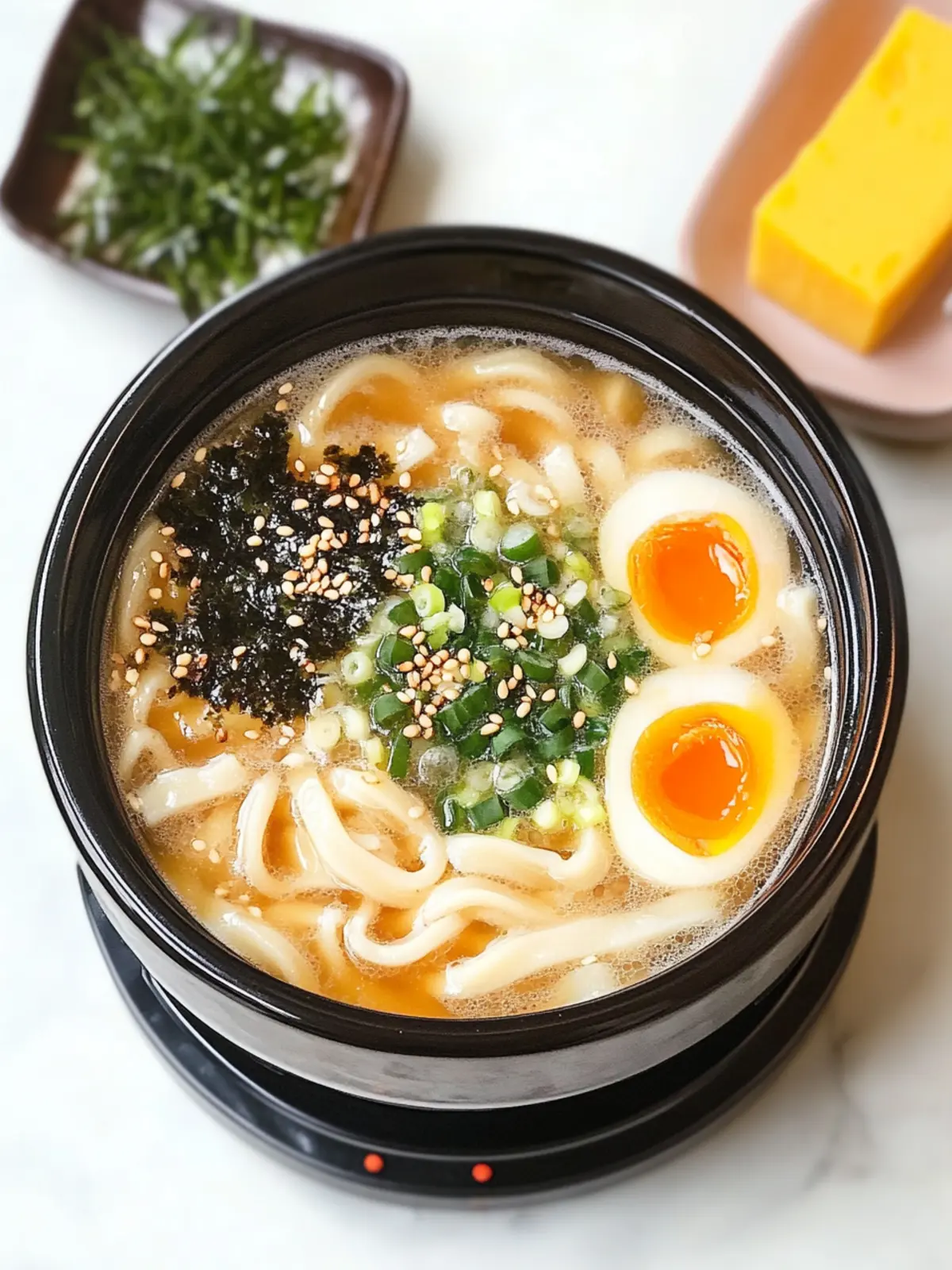
Miso Udon Noodle Soup Recipe FAQs
What kind of udon noodles should I choose?
Absolutely! You can use either fresh or frozen udon noodles for this recipe. Fresh noodles offer a chewier texture, while frozen noodles are convenient for quick meals. Just follow the package instructions for the best results.
How do I store leftover Miso Udon Noodle Soup?
Very easily! Store any leftover soup in an airtight container in the fridge for up to 3 days. Make sure to keep the noodles and broth separate to prevent the noodles from getting too mushy.
Can I freeze Miso Udon Noodle Soup?
Yes, you can! Freeze the broth (omit the noodles) in freezer-safe containers for up to 2 months. Allow the broth to cool before transferring it to the containers, leaving some space at the top for expansion. When you’re ready to enjoy it again, thaw the broth overnight in the fridge, then reheat on the stovetop and add freshly cooked noodles.
What should I do if my broth is too salty?
No worries! If you find your broth is too salty, you can balance it out. Start by adding more water or unsalted vegetable broth slowly until you reach your desired flavor. You can also add a pinch of sugar or another splash of mirin to help cut the saltiness. Just keep tasting as you go!
Are there any dietary considerations for Miso Udon Noodle Soup?
Definitely! This dish is naturally vegetarian, but if you need to make it gluten-free, simply replace the soy sauce with tamari. It s also a great idea to check your miso paste to ensure it s gluten-free as well. If you have allergies, be cautious with the toppings especially soft-boiled eggs and any sesame seeds!
How do I know if my ingredients are fresh and ripe?
For the best quality, choose fresh ingredients! Look for udon noodles without cracks or hard bits. Garlic should be firm and free from dark spots. Shiitake mushrooms should feel firm and have a pleasant smell. If you’re using green onions, ensure the green parts are vibrant and not wilting. Fresh veggies always lead to a more flavorful Miso Udon Noodle Soup!