
Quick Gyudon Recipe: Savor the Comfort of Japanese Beef Rice Bowl
Last Updated on May 8, 2026 by beatricerecipez
There’s something incredibly rewarding about preparing a meal that effortlessly warms your soul. When I first tasted gyudon, the traditional Japanese beef rice bowl, I was instantly captivated by its rich flavors and heartening simplicity. Imagine tender, thinly sliced beef simmered with sweet onions in a savory sauce, all served over a mound of fluffy rice. This dish not only comes together in under 30 minutes, making it a perfect solution for those hectic weeknights, but it also boasts a budget-friendly profile that even your wallet can appreciate.
It’s hard to beat a bowl of gyudon when you’re craving comfort food that s as satisfying as it is quick to make. And the beauty of this dish lies in its versatility whether you’re craving something simple after a long day or looking to impress a special guest, gyudon does it all. Join me in discovering how to whip up this delightful recipe that will have everyone asking for seconds!
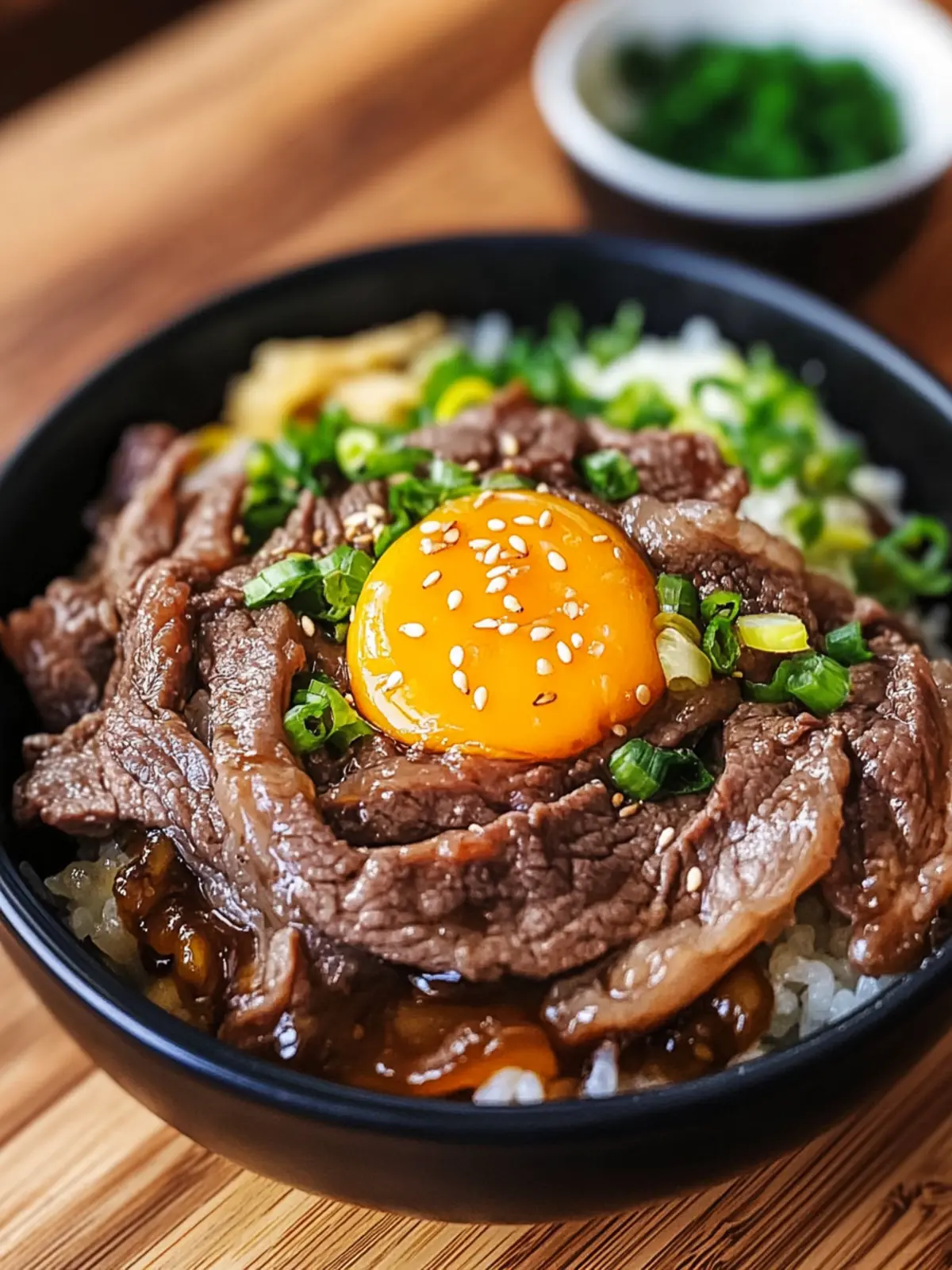
Why is Gyudon a Must-Try Dish?
Simplicity: Gyudon is incredibly easy to prepare, making it a great choice for novice cooks and busy chefs alike.
Comforting Flavors: The tender beef and sweet caramelized onions create a satisfying taste that feels like a warm hug.
Quick Cooking: Ready in under 30 minutes, you can enjoy a homemade meal even on your busiest nights.
Budget-Friendly: Using simple ingredients, this dish is a pocket-friendly option that doesn t compromise on taste.
Crowd-Pleasing: Perfect for family dinners or gatherings, gyudon is sure to impress everyone around the table with its delectable goodness.
Gyudon Ingredients
Prepare to create the perfect gyudon with this simple ingredient list!
For the Beef
- Thinly sliced beef Opt for sirloin or ribeye for maximum tenderness; thin slices cook quickly and evenly.
For the Sauce
- Soy sauce This is the foundation of umami flavor; if you’re gluten-sensitive, consider using tamari instead.
- Mirin Sweetens the dish beautifully; if unavailable, a mix of rice vinegar and sugar can replicate the flavor.
- Sugar White or brown sugar works, balancing the savory aspects of the dish perfectly.
- Hondashi (dashi stock) Adds a rich depth; substitute with homemade dashi or vegetable broth if preferred.
- Water Use to adjust the sauce’s consistency to your liking.
For the Base
- Onion Sweet onions add significant flavor; slice them thin for quicker cooking.
- Steamed rice The essential base for your gyudon; fluffy white rice works best to soak up the delicious sauce.
Optional Garnishes
- Chopped green onions For a fresh crunch and color.
- Pickled ginger Adds a zingy contrast that elevates each bite.
- Sesame seeds Sprinkle for added texture and a nutty flavor.
- Egg yolk An optional splash of richness that you can mix in for extra creaminess.
Gather these ingredients, and get ready to savor the heartwarming comfort of gyudon!
How to Make Gyudon
Prepare Ingredients: Start by thinly slicing the onion and chopping the green onions for garnish. If using frozen beef, take it out to thaw while you prep the other ingredients.
Make Sauce: In a large skillet, combine water, soy sauce, mirin, sugar, and hondashi. Heat over medium, stirring occasionally, until the sugar fully dissolves, creating a lovely foundation for your gyudon.
Cook Onions: Add the sliced onion to the pan. Sauté until the onions turn translucent and soften, releasing their sweet aroma this usually takes about 3-5 minutes.
Add Beef: Layer the thinly sliced beef over the cooked onions. Cover the skillet and let it simmer gently for 3-4 minutes until the beef is fully cooked and tender.
Serve: Spoon the beef and onion mixture generously over fluffy, warm steamed rice. For that finishing touch, garnish with pickled ginger, chopped green onions, sesame seeds, and an optional egg yolk for creaminess.
Optional: Try serving your gyudon with a side of pickles or a light salad for a complete meal.
Exact quantities are listed in the recipe card below.
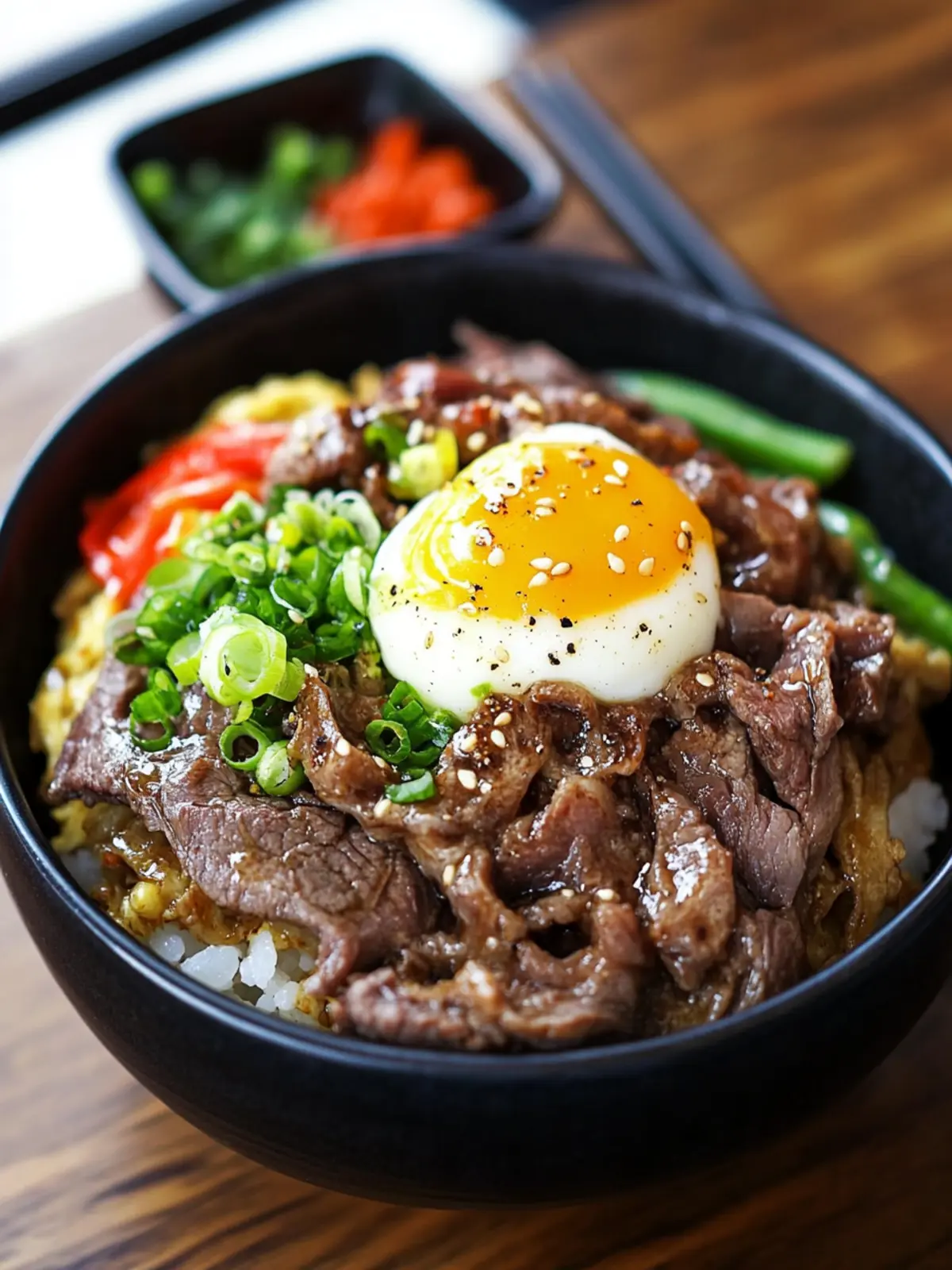
Gyudon Variations
There’s so much joy in making this dish your own let’s explore some tempting twists to elevate your gyudon experience!
Chicken Gyudon: Replace the beef with thinly sliced chicken breast for a lighter, equally delicious option that cooks quickly.
Vegetarian Delight: Swap out meat completely! Use hearty tofu or mushrooms, marinating them in the same savory sauce for added flavor.
Sweet Soy Twist: For a bolder taste, use sweet soy sauce instead of regular soy sauce to enhance the dish’s natural sweetness.
Spicy Punch: Add a dash of chili flakes or a splash of sriracha to the sauce for a zesty heat that will tantalize your taste buds.
Crunchy Vegetables: Toss in some sliced bell peppers or bok choy during cooking to introduce a delightful crunch and extra nutrition.
Curry Gyudon: Blend in a teaspoon of curry powder to the sauce to bring an exciting twist that combines Japanese and curry flavors beautifully.
Broth Boost: Replace water with beef or vegetable broth for a richer sauce that amplifies the umami experience.
Eggy Addition: For a creamier texture, add a soft-boiled or poached egg on top right before serving, making it even more luxurious.
What to Serve with Gyudon (Japanese Beef Rice Bowl)?
Imagine a table adorned with warmth and flavors, each dish enhancing the delightful experience of your gyudon.
Japanese Pickles: A refreshing side that balances the richness of gyudon, offering a delightful crunch and tang.
Miso Soup: This comforting soup adds depth and warmth, perfectly complementing the savory notes of your beef rice bowl.
Steamed Broccoli: The vibrant green provides a beautiful contrast and a healthy touch, balancing the dish’s richness with its crisp texture.
Sesame Spinach Salad: Toasted sesame seeds and soy dressing enhance the meal’s umami, while the salad’s freshness leaves you feeling satisfied and light.
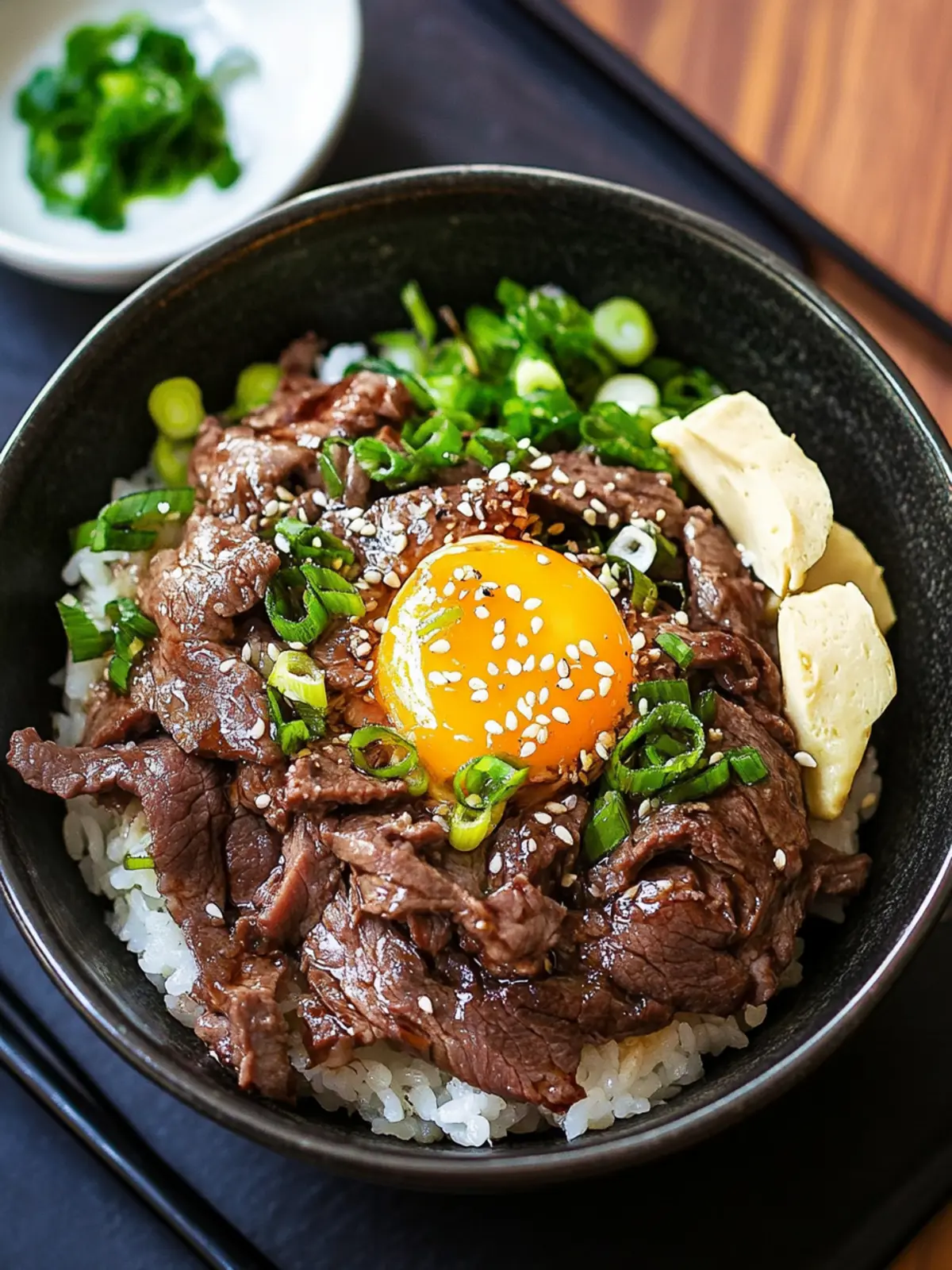
Fried Tofu: This adds a delightful texture variation; crispy on the outside and soft on the inside, it’s a wonderful protein alternative if needed.
Chilled Soba Noodles: These buckwheat noodles offer a nutty flavor and are great to enjoy for a light dish that soaks up leftover gyudon sauce.
Sake or Green Tea: Pairing gyudon with chilled sake or a warm cup of green tea creates a soothing, traditional experience, enhancing the meal’s overall enjoyment.
Let your culinary creativity flow as you combine these inspiring sides with your comforting gyudon!
Expert Tips for Gyudon
Thin Beef Slices: Ensure your beef is sliced thinly using a sharp knife. If it s too thick, it will take longer to cook and may become tough.
Simmer Carefully: Keep an eye on the beef while it simmers. Overcooking can lead to chewy meat just a few minutes until tender is perfect for gyudon.
Sauce Consistency: Adjust the amount of water in the sauce for your desired thickness. A thicker sauce clings beautifully to the rice, enhancing every bite.
Garnish Wisely: Don’t skip the garnishes! They add freshness and flavor that elevate your gyudon from good to fantastic especially the pickled ginger.
Leftover Usage: If you have leftovers, store them in an airtight container in the fridge for up to 2 days. Reheat gently to restore the dish s original tenderness.
How to Store and Freeze Gyudon
Fridge: Store leftover gyudon in an airtight container in the refrigerator for up to 2 days. Gently reheat in a skillet over low heat, adding a splash of water if necessary to maintain moisture.
Freezer: For longer storage, freeze gyudon in a freezer-safe container for up to 3 months. Thaw in the fridge overnight before reheating.
Reheating: When reheating, do so gently in a skillet to preserve the tenderness of the beef and the sweetness of the onions.
Meal Prep: Gyudon is great for meal prep! Prepare the beef and sauce in advance, then simply cook and serve over freshly steamed rice when ready to enjoy.
Make Ahead Options
Preparing gyudon ahead of time is a great way to save time during your busy week! You can slice the onions and even pre-cook the beef mixture up to 24 hours in advance, allowing the flavors to meld beautifully. Simply store the cooked beef and onions in an airtight container in the refrigerator to ensure they stay fresh and flavorful. When you’re ready to serve, heat the mixture gently in a skillet, adding a splash of water if needed to rehydrate the sauce. Serve it over freshly steamed rice for a comforting, homemade meal that tastes just as delicious as it would on the first day! This way, you can enjoy a sumptuous gyudon with minimal effort during your hectic evenings.
Gyudon (Japanese Beef Rice Bowl) Recipe FAQs
What type of beef should I use for gyudon?
Absolutely! Thinly sliced beef is key for gyudon. Opt for sirloin or ribeye for the best tenderness and flavor. If you’re using fresh beef, great just slice it thinly! If you’re using frozen beef, I recommend placing it in the freezer for about 30 minutes before slicing; this makes it easier to achieve those perfect, thin cuts.
How do I store leftover gyudon?
Very! To store leftover gyudon, place it in an airtight container, and it will keep in the refrigerator for up to 2 days. When you re ready to enjoy it again, simply reheat in a skillet over low heat, adding a splash of water to keep it moist.
Can I freeze gyudon for later?
Absolutely! If you’d like to freeze your gyudon, transfer it to a freezer-safe container and it can last up to 3 months. To freeze, allow the dish to cool completely before sealing. Thaw overnight in the fridge when ready to eat, then reheat gently in a skillet to maintain the beef’s tenderness.
What should I do if my beef turns out tough?
Very! If your beef comes out tough, it could be due to overcooking or incorrect slicing. Ensure you slice the beef very thinly and cook it just until fully done, which should be about 3-4 minutes simmering. Remember, a quick simmer is crucial to keep the meat tender.
Are there any dietary considerations for gyudon?
Definitely! If you or someone you re serving has specific dietary needs, there are several substitutions. You can use tamari instead of soy sauce for gluten-free versions. For a vegetarian twist, swap beef with tofu or mushrooms, and adjust the sweetness with sweet soy sauce or omit sugar altogether for a healthier option.
What garnishes work best with gyudon?
Absolutely! Garnishes really elevate your gyudon. I highly recommend adding chopped green onions for freshness, pickled ginger for a nice zing, and sesame seeds for that delightful crunch. An optional egg yolk can add creaminess just mix it in for a rich flavor!