
Chill Out with This Refreshing Japanese Cold Noodles Recipe
Last Updated on May 8, 2026 by beatricerecipez
As the sun blazes in the summer sky, there’s a certain joy in discovering refreshing meals that not only satisfy but nourish. That’s where Hiyashi Chuka, or Japanese cold noodles, comes into play. This delightful dish bursts with vibrant colors and flavors, offering a delightful contrast to the heat of the day. Imagine slurping down chewy noodles topped with crisp cucumbers, juicy tomatoes, and a savory-sweet dressing that dances on the palate.
I first encountered this light yet satisfying meal on a hot day while searching for something quick and easy to prepare for my family. Just 30 minutes in the kitchen, and I had a stunning dish that was as tasty as it was beautiful. What I love most about Hiyashi Chuka is its versatility customize it with your favorite fresh veggies, proteins, or even a splash of clashing flavors that come together seamlessly. It’s the perfect antidote to the mundane fast-food rut, transforming mealtime into a refreshing experience that’s bound to impress your guests or simply brighten your day. Ready to dive into this charming summer classic? Let s get started!
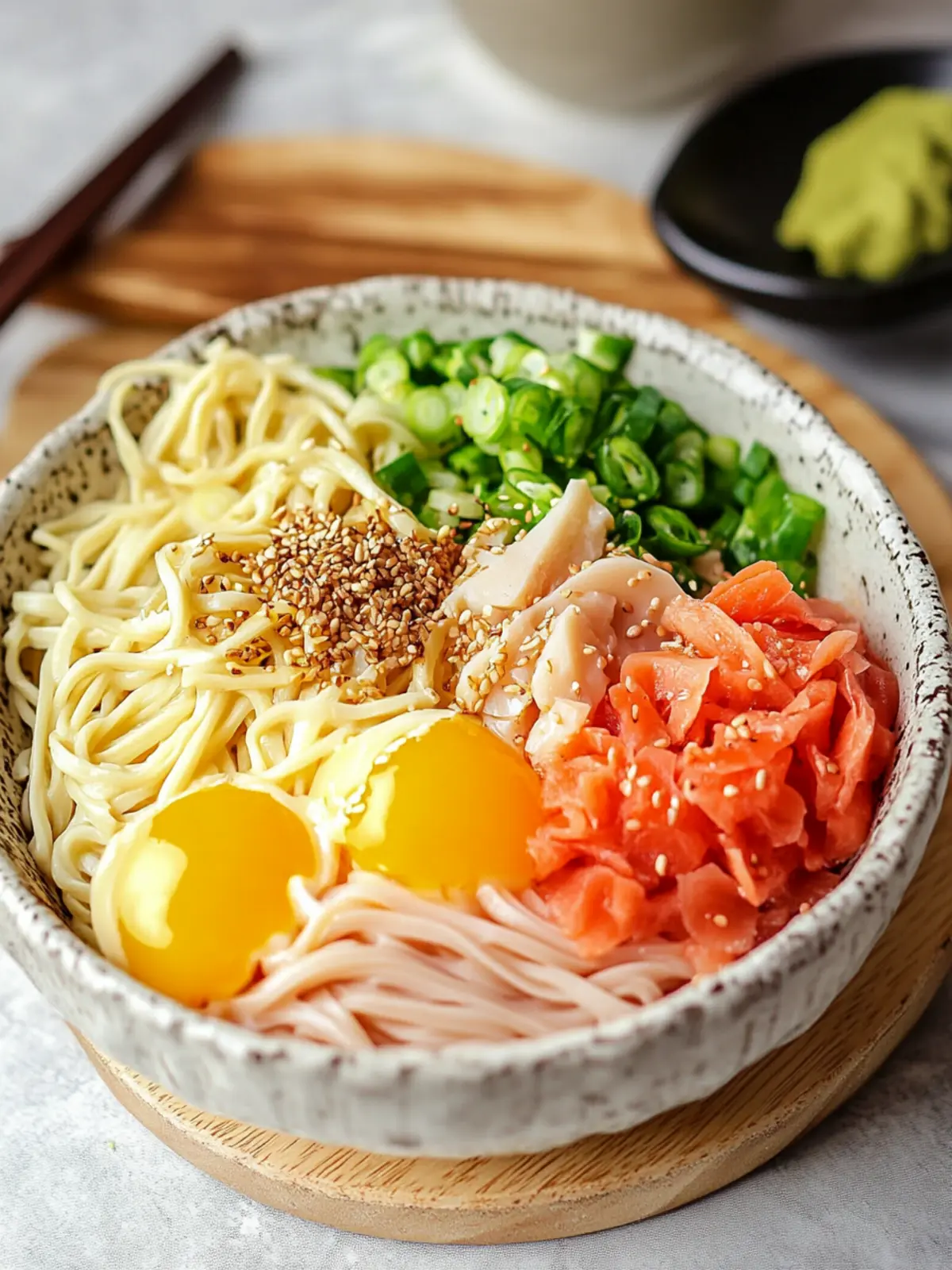
Why Love This Japanese Cold Noodles Recipe?
Simplicity at its finest! With just a few ingredients, you can whip up this vibrant dish in 30 minutes or less. Customizable to your heart’s content, feel free to choose your favorite veggies and proteins. Refreshing and light, it’s perfect for those sweltering summer days when you crave something cool. Flavor-packed dressing elevates the noodles, marrying sweet and savory notes for an unforgettable taste. Plus, with its colorful presentation, it’s bound to impress at any summer gathering say goodbye to boring meals!
Japanese Cold Noodles Ingredients
Here s everything you need to create your dazzling Hiyashi Chuka!
For the Noodles
- GloryLand Buckwheat Noodle Cakes Chewy base of the dish, but you can substitute with fresh ramen or soba noodles if preferred.
For the Toppings
- Large Eggs Adds richness and texture; replace with tofu for a delicious vegetarian option.
- Japanese or Persian Cucumbers Provides crunch and freshness; if unavailable, English cucumbers make a fine substitute.
- Small Tomatoes Offers a burst of juiciness; cherry tomatoes are a sweet alternative.
- Ham Contributes savory flavor; optional to replace with turkey or a vegetarian alternative.
- Fresh Crab Meat or Imitation Crab Sticks Adds a seafood element; omit for vegetarian or use cooked shrimp as a substitution.
- White Sesame Seeds For garnish; you can swap with toasted sesame seeds for added flavor.
For the Dressing
- Light Soy Sauce Main flavor agent; gluten-free friends can use tamari.
- Rice Vinegar Adds acidity; apple cider vinegar works well as a substitute.
- Water Used to dilute the dressing for ideal taste; adjust to your liking.
- White Sugar Balances flavors in the dressing; honey or agave syrup are great swaps if preferred.
- Sesame Oil Infuses a delightful nutty aroma; lighter taste can be achieved with olive oil.
Dive into this Japanese Cold Noodles Recipe, and let the flavors carry you away!
How to Make Japanese Cold Noodles
Cook Noodles: Boil water in a pot and cook the GloryLand buckwheat noodles according to package instructions, usually about 4 minutes. Aim for a perfect chewy texture!
Cool Noodles: Transfer the cooked noodles to ice water or rinse under cold running water to stop the cooking process. Drain them well and set aside for later.
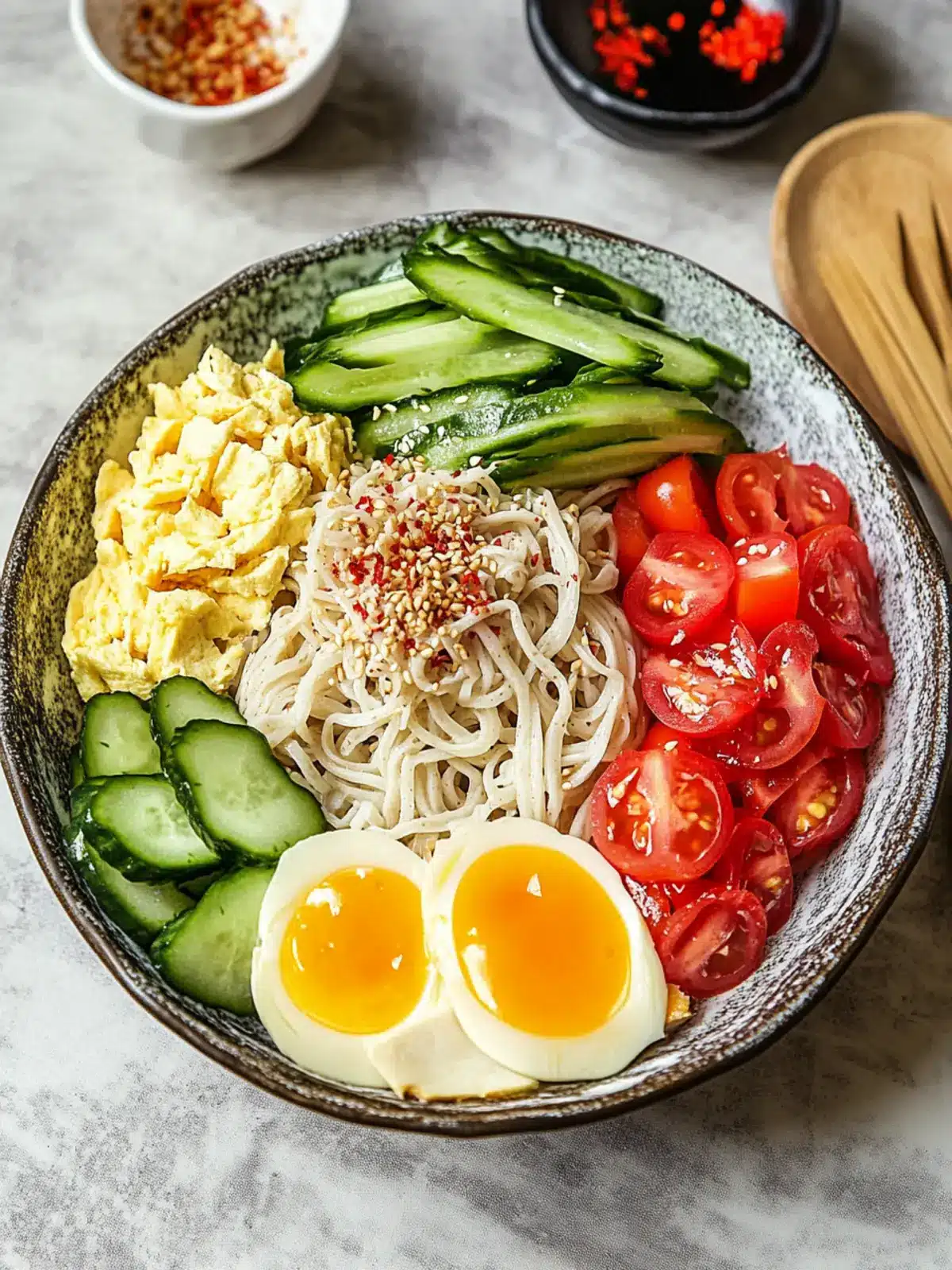
Prepare Toppings: Crack the eggs into a bowl, whisk them lightly, and make a thin omelet in a non-stick skillet. Roll it up and slice into thin strips. Julienne the cucumbers, cut the tomatoes into wedges, and slice the ham. If using imitation crab, separate the sticks.
Make Dressing: In a medium bowl, whisk together the light soy sauce, rice vinegar, water, sugar, and sesame oil until well blended. Adjust to your taste for that perfect balance.
Assemble Dish: Place the cooled noodles in a serving bowl. Artfully arrange your toppings on top, then drizzle the dressing over the entire dish. Finish with a sprinkle of sesame seeds for that extra crunch!
Optional: Add a sprinkle of freshly chopped herbs like cilantro or chives for an aromatic touch.
Exact quantities are listed in the recipe card below.
Make Ahead Options
Hiyashi Chuka is perfect for meal prep, allowing you to savor this refreshing Japanese cold noodles recipe any day of the week! You can prepare the noodles and toppings like the sliced omelet, julienned cucumbers, and chopped tomatoes up to 24 hours in advance. Simply store them separately in airtight containers in the refrigerator to maintain their freshness and texture. When you’re ready to eat, just assemble the dish by adding the chilled noodles to your serving bowl, topping with the prepped ingredients, and drizzling the dressing over everything. This way, you save precious time on busy weeknights while still enjoying a delicious and visually stunning meal that’s just as delightful as when freshly made!
How to Store and Freeze Japanese Cold Noodles Recipe
- Fridge: Store leftovers in an airtight container in the refrigerator for up to 3 days. Enjoy them cold for the best flavor and texture.
- Room Temperature: It s best not to leave Hiyashi Chuka out at room temperature for more than 2 hours to ensure freshness and safety.
- Freezer: While not ideal, you can freeze the noodles without toppings for up to 2 months. Just be aware that they may lose some texture upon thawing.
- Reheating: If you prefer warm noodles, gently reheat them in hot water for a couple of minutes until warmed through, but enjoy them cold for the authentic experience!
Expert Tips for Japanese Cold Noodles
Chill Noodles Well: Ensure your noodles are cooled completely to maintain their chewy texture; no one likes a soggy noodle!
Perfect Omelet: Roll the omelet as thin as possible for an elegant presentation. This will make slicing easier and beautifully showcase your dish.
Balance the Dressing: Don’t be afraid to adjust the dressing ingredients; achieve the perfect harmony between sweet and savory for your Japanese cold noodles recipe.
Vibrant Toppings: Choose a rainbow of vegetables to enhance both flavor and presentation. Bright bell peppers or radishes add a delightful crunch and nutrients!
Leftover Storage: If you have any leftovers, store them in an airtight container in the refrigerator for up to 3 days. Enjoy them cold for the best experience!
What to Serve with Japanese Cold Noodles Recipe?
Enhance your meal and evoke the flavors of summer with these delightful pairings.
Crispy Tempura: Light and airy, tempura complements the noodles with a satisfyingly crunchy texture, elevating your dining experience.
Edamame Salad: This protein-packed salad adds a fresh and nutritious contrast, perfect for a light summer meal. Toss it together with a splash of soy sauce!
Miso Soup: The warm, umami-rich soup offers a comforting side that balances the coolness of the cold noodles, making your meal feel complete.
Fresh Fruit Platter: A vibrant selection of seasonal fruits like watermelon, strawberries, and mango adds a refreshing sweetness to cleanse the palate.
Japanese Pickles (Tsukemono): These tangy and colorful bites bring zest and vibrancy, perfectly offsetting the savory flavors of the noodles.
Green Tea or Iced Matcha: Refreshing beverages that cleanse the palate and offer a gentle caffeine lift; ideal for those warm days.
Japanese Cold Noodles Recipe Variations
Feel free to mix things up and make this dish your own! Each idea adds a new twist to your delicious bowl of Hiyashi Chuka.
Vegetarian Delight: Replace the egg and crab with tofu and additional vegetables for a filling vegetarian meal that s equally satisfying. The savory dressing will tie all the flavors together beautifully.
Spicy Kick: Add a splash of sriracha or a sprinkle of chili flakes to the dressing for a little heat that will awaken your taste buds and make your dish exciting.
Zesty Citrus: Incorporate a squeeze of fresh lime or lemon juice into the dressing for a bright, citrusy note that complements the flavors perfectly. This touch brings a refreshing persona to your noodles.
Noodle Swap: Experiment with soba, udon, or even zucchini noodles for a gluten-free or lighter option, offering a unique texture while maintaining the dish’s integrity and flavor.
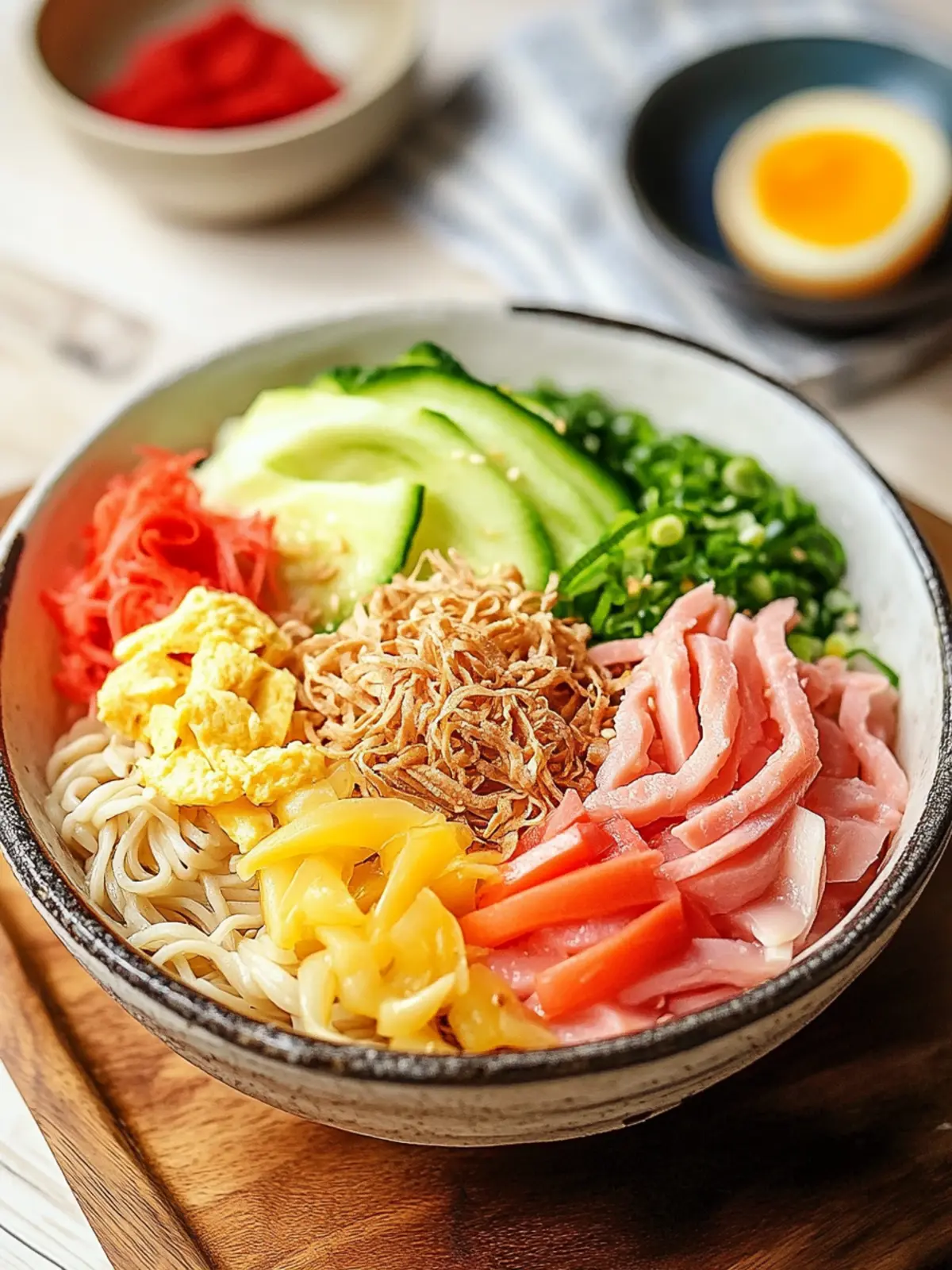
Colorful Crunch: Toss in bell peppers, shredded carrots, or even radishes to add vibrant colors and crunchy textures, making your dish a feast for the eyes and the palate.
Nutty Infusion: Drizzle a touch of peanut sauce over your assembled noodles for a creamy contrast that enhances the experience. This gives a delightful richness that will have everyone asking for seconds.
Seafood Medley: Switch imitation crab for a mix of shrimp and scallops for those who crave a heartier seafood option, bringing a luxurious touch to your Hiyashi Chuka.
Herbaceous Twist: Garnish with fresh mint or cilantro for a fragrant finish that brings a layer of freshness to every bite, taking you on a playful herb-filled journey.
Japanese Cold Noodles Recipe FAQs
What are the best noodles to use for Hiyashi Chuka?
Absolutely! GloryLand buckwheat noodle cakes are an excellent choice due to their chewy texture. However, if you can’t find them, feel free to substitute with fresh ramen or soba noodles. Just ensure they re cooked al dente.
How should I store leftover Hiyashi Chuka?
To keep your delightful dish fresh, store leftovers in an airtight container in the refrigerator for up to 3 days. It s best enjoyed cold, so some chilled leftovers can be a quick and tasty snack on a busy summer day!
Can I freeze Japanese cold noodles?
Yes, you can! If you want to freeze the noodles, do so without the toppings. Just place them in a freezer-safe container or bag, removing as much air as possible. They ll hold up for about 2 months. When ready to enjoy, thaw in the refrigerator overnight, then refresh with cold water before serving.
What if I don t have rice vinegar?
No problem at all! If you re out of rice vinegar, you can substitute it with apple cider vinegar. The flavor will differ slightly, but it still complements the dressing beautifully. Just mix it to taste to maintain the right balance between sweet and tangy.
Are there any dietary considerations for this recipe?
Definitely! This Japanese cold noodles recipe is quite versatile. For a vegetarian option, simply replace eggs with silken tofu and omit the crab. Always double-check the labels on soy sauce or sesame oil for gluten if that s a concern, opting for tamari as a gluten-free alternative.
How can I prevent my noodles from becoming mushy?
The key is cooling them quickly! After cooking the noodles, immediately transfer them to ice water or rinse them under cold running water. This stops the cooking process and helps maintain their chewy texture. Aim to keep them cool until serving!