
Delicious Rabokki: Quick Ramen with Tteokbokki Recipe Video
Last Updated on May 8, 2026 by beatricerecipez
There’s something incredibly satisfying about a steaming bowl of rabokki, where tender ramen noodles meet the chewy allure of spicy rice cakes. Picture this: it s a chilly evening, and the comforting aroma of simmering broth, laced with garlic and a touch of spice, fills your kitchen. I first discovered this delightful dish while seeking a quick fix for dinner it turned out to be a game changer.
Rabokki isn’t just a meal; it’s an experience that invites you to savor each bite. With rich umami notes and just the right amount of heat, it’s perfect for those moments when you crave something a little more exciting than your average weeknight fare. Plus, it pulls together in under 30 minutes, making it an ideal choice for a casual lunch, dinner, or even a late-night snack. So gather your ingredients and let s dive into making this flavorful dish that promises to leave your taste buds dancing!
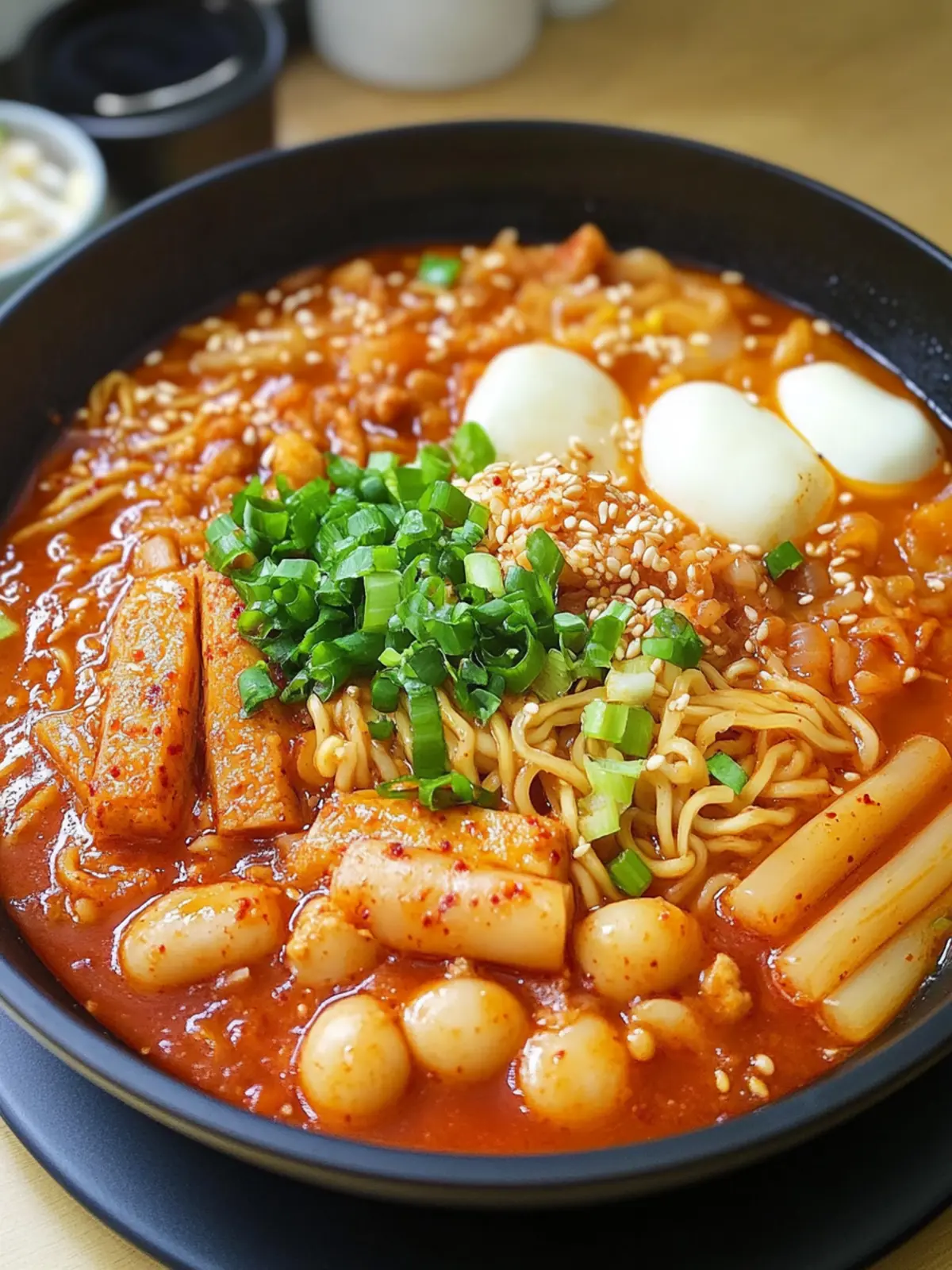
Why is Rabokki a must-try dish?
Comforting Simplicity: This rabokki recipe combines everyday ingredients for an effortless cooking experience.
Quick and Easy: With a cooking time of under 30 minutes, it s perfect for busy weeknights.
Flavor Explosion: The mix of spicy gochujang and savory broth creates a mouthwatering harmony that excites your palate.
Versatile Options: Customize your rabokki with your choice of veggies or make it vegetarian by swapping in tofu.
Crowd Favorite: Whether serving family or entertaining friends, this dish is sure to impress and satisfy everyone at the table.
Culinary Adventure: Experience the uniqueness of Korean cuisine right in your own kitchen with this delightful dish! If you’re looking for more tips, feel free to check out my guide on Korean flavors.
Rabokki Ingredients
For the Sauce
- Soy Sauce Provides saltiness and depth of flavor; substitute with tamari for a gluten-free option.
- Sugar Balances the saltiness of soy sauce; can be replaced with honey or agave syrup.
- Gochugaru (Korean chili powder) Adds spiciness and color; substitute with regular chili powder for a milder taste.
- Gochujang (Korean chili paste) Offers a rich umami flavor with heat; can substitute with Sriracha or red pepper paste if unavailable.
- Minced Garlic Enhances the dish’s aroma and flavor; fresh garlic is preferred, but garlic powder can be a substitute.
For the Broth
- Anchovy Broth (made with 3½ cups water and 2 anchovy stock tablets) Serves as a savory base; replace with vegetable or chicken broth for a different flavor.
For the Vegetables
- Cabbage Adds crunch and nutrition; bok choy or spinach can be used as alternatives.
- Green Onion Provides freshness and a mild onion flavor; substitute with chives or shallots.
For the Main Ingredients
- Rice Cakes (Tteokbokki) Key ingredient for texture; dried rice cakes can be substituted with fresh or frozen ones.
- Fish Cakes Complements the dish’s heartiness; optional and can be omitted for a vegetarian version.
- Hard Boiled Eggs Adds protein and richness; omit if avoiding eggs or substitute with tofu for a veggie option.
- Ramen Noodles Forms the bulk of the dish; instant ramen or fresh noodles can be used interchangeably.
How to Make Rabokki
Prepare the Sauce: In a bowl, combine soy sauce, sugar, gochugaru, gochujang, and minced garlic. Mix well, letting the flavors meld together while you move on to the next steps.
Boil the Broth: In a pot, bring 3½ cups of water and 2 anchovy stock tablets to a rolling boil. This flavorful broth will be the heart of your rabokki, so don’t rush this part!
Mix the Sauce with Broth: Once boiling, carefully add the prepared sauce to the broth and stir to combine. You ll notice the sauce colors and enriches the broth almost instantly.
Add Vegetables and Rice Cakes: Toss in the cabbage, green onion, and rice cakes. Allow everything to simmer for 8-10 minutes until the cabbage is tender and the sauce thickens, creating a luscious base for your rabokki.
Incorporate Protein: Stir in the fish cakes and hard-boiled eggs, creating a little nook in the center for the next step. This ensures everything heats evenly and you get that lovely mix of flavors.
Cook the Noodles: Place the ramen noodles in the center, cover the pot, and simmer for 3-4 minutes. The noodles should become tender but still have a delightful bite to them.
Garnish and Serve: Sprinkle chopped green onions and white sesame seeds over the top before serving hot. Enjoy this comforting dish that s sure to warm your soul!
Optional: For an extra kick, serve with a sprinkle of crushed red pepper flakes.
Exact quantities are listed in the recipe card below.
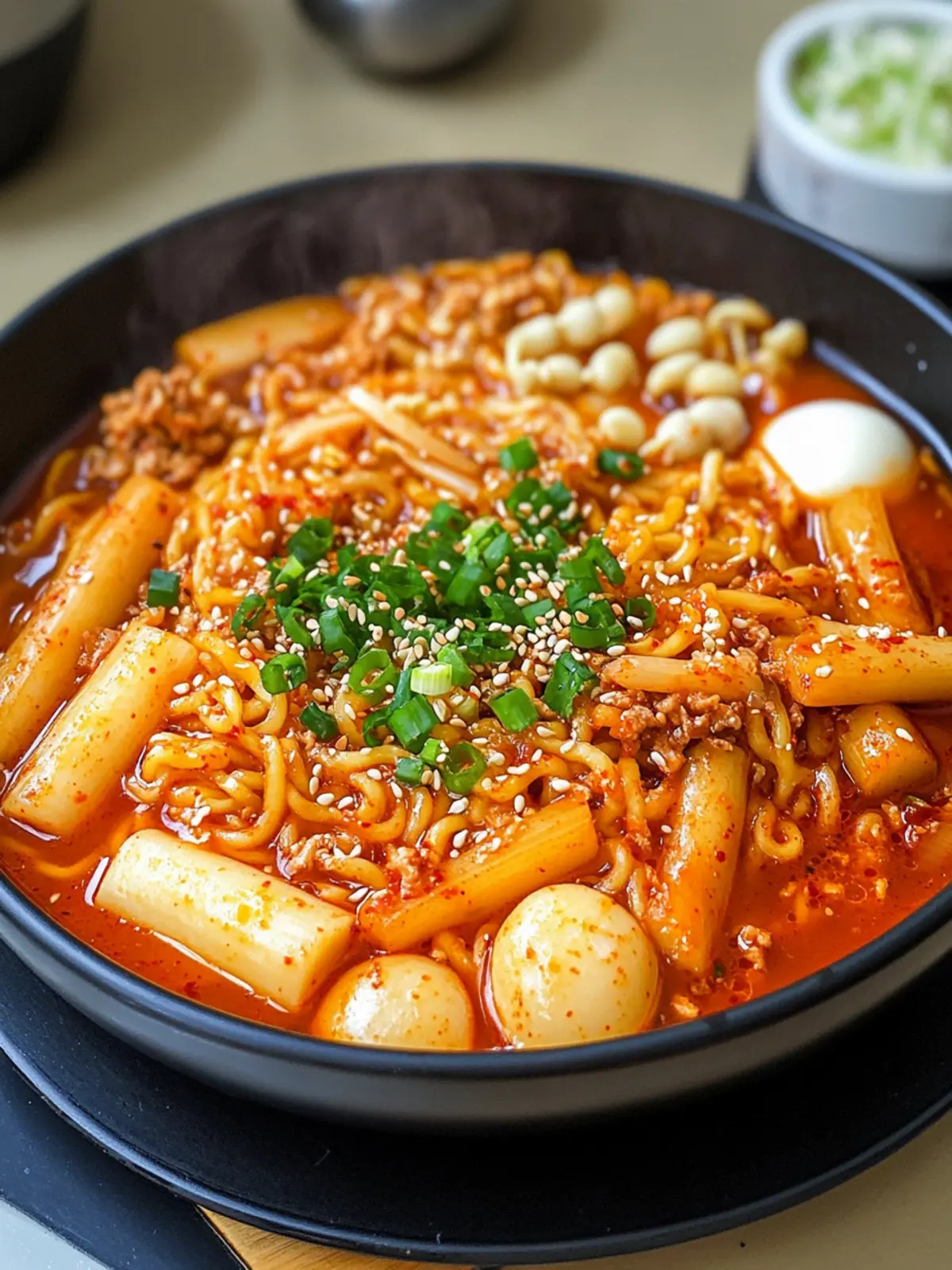
What to Serve with Rabokki?
Creating a full meal around this spicy, comforting bowl opens up a world of delicious possibilities.
Kimchi: A classic Korean side dish, kimchi provides a tangy crunch that perfectly balances the rich flavors of rabokki. The heat of the kimchi complements the spiciness of the rabokki beautifully.
Cucumber Salad: Light and refreshing, this salad will cleanse your palate and add a cool touch to the meal. Toss thin cucumber slices with a splash of vinegar and sesame oil for extra zing.
Egg Drop Soup: A warm and savory soup that adds another layer of texture to your dinner table. Its gentle flavors won’t overpower your rabokki, making it a cozy addition.
Seaweed Chips: Crunchy and full of umami, these chips can serve as a satisfying snack alongside the spicy noodle dish. Their saltiness and crispiness make for an enticing duo with rabokki.
Korean Fried Chicken: For those looking to impress, serving crunchy fried chicken alongside rabokki creates a delightful feast. The bold flavors of the chicken contrast wonderfully with the noodle dish.
Sweet Dessert: Finish your meal with a light dessert like green tea ice cream or mango mochi. The sweetness will balance the spiciness of rabokki and leave your guests with a smile!
Make Ahead Options
These rabokki delights are perfect for meal prep enthusiasts! You can prepare the sauce (soy sauce, sugar, gochugaru, gochujang, and minced garlic) up to 24 hours in advance; just store it in an airtight container in the refrigerator to keep the flavors vibrant. Additionally, you can chop the cabbage and green onion a day ahead as well. When you’re ready to enjoy your rabokki, simply bring 3½ cups of water to a boil, add the sauce and remaining ingredients, and cook according to the recipe. This not only saves you time during busy weeknights but also ensures your dish turns out just as delicious as if it were freshly made!
Expert Tips for Rabokki
Cook Noodles Just Right: To ensure perfect texture, cook the ramen noodles separately and add them in at the end to avoid overcooking.
Sauce Adjustment: Always taste the sauce before adding more gochujang; Korean spice can vary, so adjust based on your heat tolerance.
Store and Reheat Wisely: If you have leftovers, store them in an airtight container and reheat gently with a splash of water to maintain the dish’s moisture and flavor.
Veggie Variations: Feel free to swap in seasonal vegetables like zucchini or bell peppers to switch up the flavors and textures in your rabokki.
Keep It Authentic: For the best results, use traditional ingredients like gochugaru and gochujang; they truly elevate the dish with authentic Korean flavors.
Storage Tips for Rabokki
Fridge: Store leftovers in an airtight container for up to 2 days to retain freshness and moisture.
Freezer: If you want to freeze rabokki, portion it out into freezer-safe containers; it can be frozen for up to 1 month.
Reheating: When ready to eat, reheat gently on the stove with a splash of water to revive the sauce’s texture and flavors, ensuring a comforting meal again.
Quality Check: Before consuming, check for any off smells or changes in texture to assure the rabokki is still tasty!
Rabokki Variations & Substitutions
Feel free to play around and make this rabokki dish your own while keeping its comforting essence!
- Vegetarian Option: Swap out fish cakes for tofu, providing a hearty alternative that still packs a satisfying bite.
- Gluten-Free: Use tamari instead of soy sauce, ensuring every flavor shines through without gluten.
- Spicy Boost: Add extra gochugaru or a drizzle of Sriracha to crank up the heat and excite your taste buds.
- Veggie Explosion: Toss in seasonal veggies like zucchini, bell peppers, or mushrooms to enhance the color and nutrition of your meal.
- Mushroom Umami: Substitute anchovy broth with mushroom broth for a rich, vegan-friendly depth of flavor.
- Noodle Variety: Experiment with udon or soba noodles instead of ramen for different textures and experiences.
- Creamy Twist: Stir in a dollop of coconut cream just before serving for a richer, creamier sauce that tempers the spice perfectly.
- Herb Infusion: Garnish with freshly chopped cilantro or basil for an aromatic finish that adds a unique twist to the classic dish.
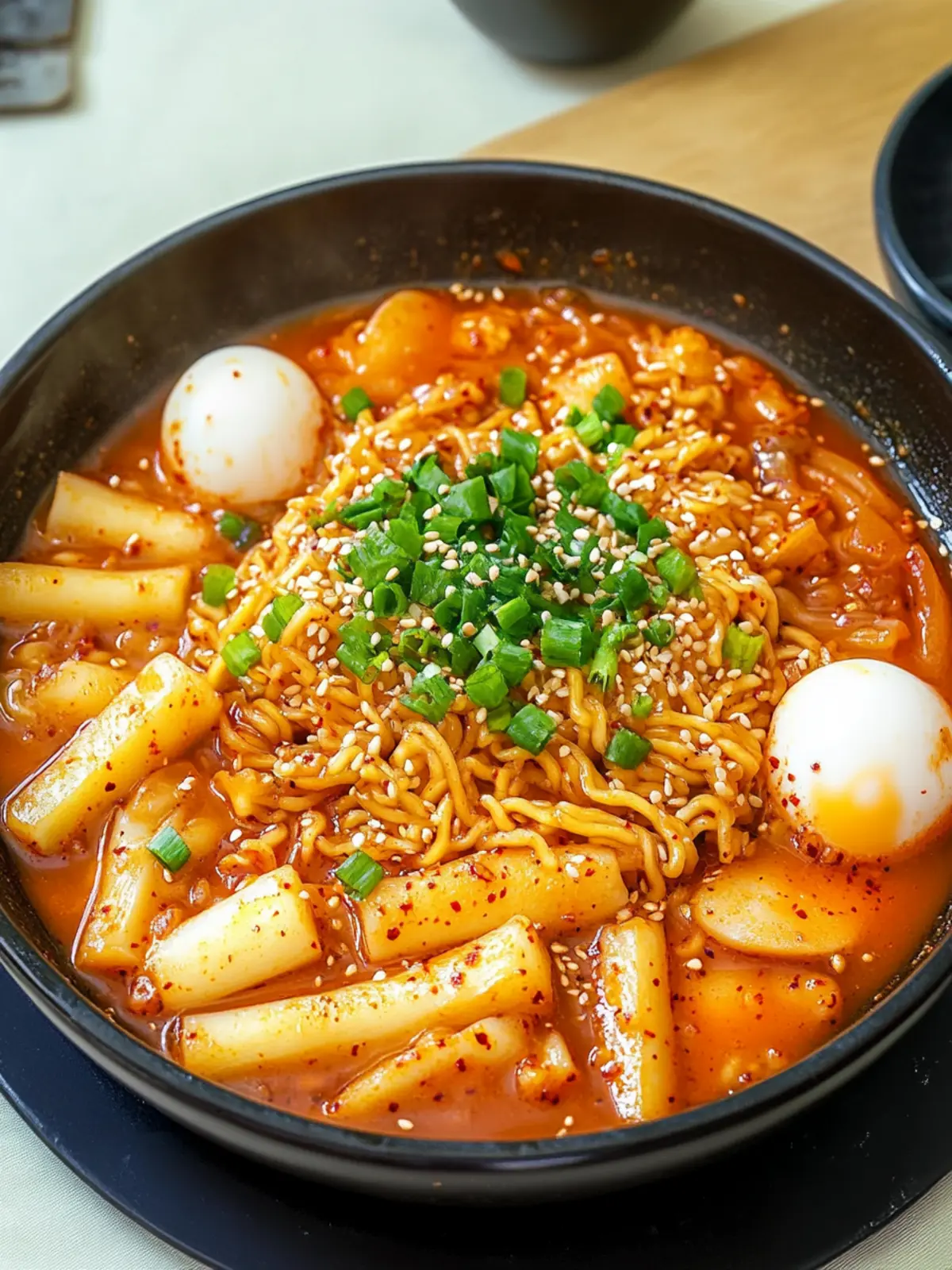
Rabokki (Ramen with Tteokbokki) Recipe FAQs
How do I choose the best rice cakes for rabokki?
Absolutely! When selecting rice cakes, look for ones that are soft and pliable with no dark spots or hard edges. Fresh rice cakes are typically best, but if you re using dried ones, ensure they are rehydrated properly by soaking them in warm water for about 30 minutes before adding them to the dish.
What s the best way to store leftover rabokki?
Very! Once you ve enjoyed your rabokki, let any leftovers cool down, then transfer them to an airtight container. They can be stored in the refrigerator for up to 2 days. When you’re ready to enjoy them again, simply reheat gently on the stove with a little splash of water to restore moisture.
Can I freeze rabokki, and how should I do it?
Absolutely! If you want to save some for later, portion out the cooled rabokki into freezer-safe containers. It can be frozen for up to 1 month. When you’re ready to enjoy it, thaw it in the refrigerator overnight, then reheat on the stove, adding a splash of broth or water to keep it saucy.
What adjustments should I make if I have dietary restrictions?
The more the merrier! If you’re looking to make rabokki vegetarian, simply skip the fish cakes and replace the anchovy broth with vegetable broth. For a gluten-free option, use tamari instead of soy sauce. Always check your ingredients for allergens, especially if you’re serving others.
What if my noodles become mushy?
Oh no! If your noodles end up mushy, it might be due to overcooking them. To prevent this, cook the ramen noodles separately until just al dente, then add them to the dish at the last minute. If you find that the dish has gone too soft, try balancing it with some crunch by adding fresh vegetables like bok choy or raw cucumbers right before serving for texture.
Can I adjust the spiciness of rabokki?
Absolutely! If you prefer a milder taste, reduce the amount of gochujang and gochugaru to suit your heat level. You can always serve additional chili paste or flakes on the side so everyone can adjust to their liking at the table!